

African Union Seeks Russian Farming Partnerships to Curb Food Import Costs
Moscow, 28 October 2026
Despite vast agricultural resources, Africa irrigates merely 6% of arable land while spending $100 billion annually on food imports, prompting calls in Moscow for urgent agricultural investment.
Agricultural Deficits and the Moscow Summit
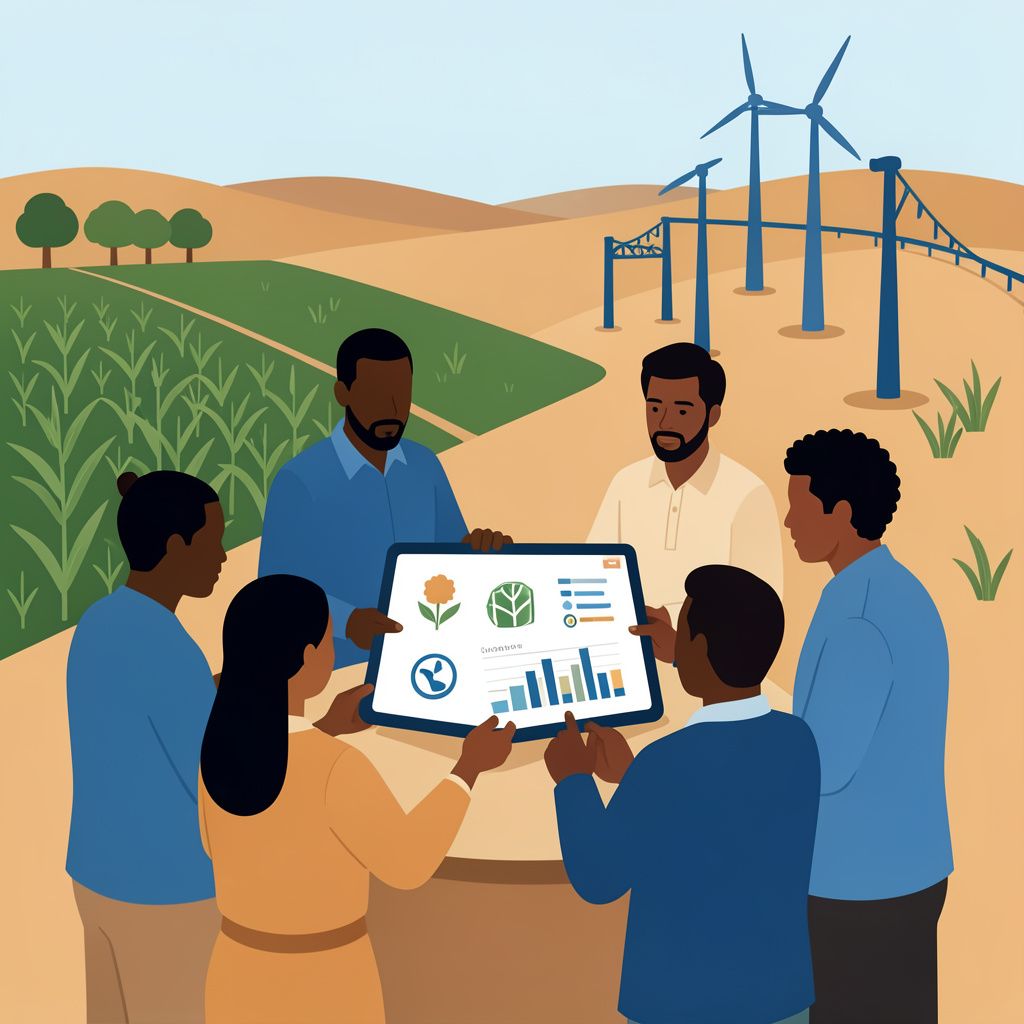
African Union Commission Chairperson Mahmoud Ali Youssouf arrived in Moscow on Tuesday, 27 October 2026, ahead of the third Russia–Africa Summit scheduled across 28 and 29 October 2026 [4]. Addressing delegates on Wednesday, 28 October 2026, at the high-level side event ‘Russia–Africa Agro-Industrial Alliance: Meeting the Challenges Together’—organised alongside the Russian Association of Fertilizer Producers—Youssouf outlined the continent’s structural farming vulnerabilities [1]. Despite holding vast tracts of arable land and abundant freshwater reserves, merely 6% of the continent’s arable land is currently irrigated [1]. This underutilisation leaves 94% of agricultural land entirely exposed to unpredictable rainfall patterns and intensifying weather shocks [1].
The Economics of Food Import Dependency
This infrastructure gap imposes a substantial macroeconomic burden across the continent. Africa spends roughly $100 billion each year to import basic staples, notably rice, wheat, maize, and edible oils [1]. Youssouf argued that transforming African agriculture demands structural interventions: scaling irrigation networks, securing affordable fertilisers, advancing technological transfers, and fostering local value chains [1]. Partnering with Russian agro-industrial firms offers critical access to inputs and expertise needed to ramp up domestic grain yields and stem foreign exchange outflows, paving the way towards continental food sovereignty [1].
Horn of Africa Strains and Refugee Realities
The push to secure agricultural inputs carries high stakes for vulnerable regions like the Horn of Africa and East Africa, where protracted drought and elevated food import costs exacerbate displacement and aid dependency [GPT]. In areas such as Turkana in north-western Kenya, chronic agricultural deficits and water scarcity place equal strain on both host populations and displaced refugees who share the same depleted local resources [GPT]. While Youssouf was previously criticised over regional geopolitical positions, including naval security stances in the Red Sea [2], the African Union’s primary focus in Moscow remains reducing import vulnerability and easing regional humanitarian stress [1].
Conflict Roadblocks to Regional Food Security
Nevertheless, continental food security remains fundamentally hostage to regional instability and border safety concerns, particularly in war-torn Sudan where agricultural heartlands have faced severe disruption since April 2023 [3]. Following the collapse of earlier mediation efforts by regional bloc IGAD in December 2023, Youssouf co-chaired the first joint meeting of the Quad and Quintet on 23 September 2026 alongside US envoy Massad Boulos to address the crisis [3]. Until armed conflicts cease disrupting cross-border safety and farming communities, technical alliances forged abroad will struggle to alleviate the acute supply bottlenecks threatening vulnerable refugee and host communities alike [1][3].