

Fertiliser Crisis Could Cost 10 Billion Weekly Meals as War Disrupts Global Food Supply
Global, 1 May 2026
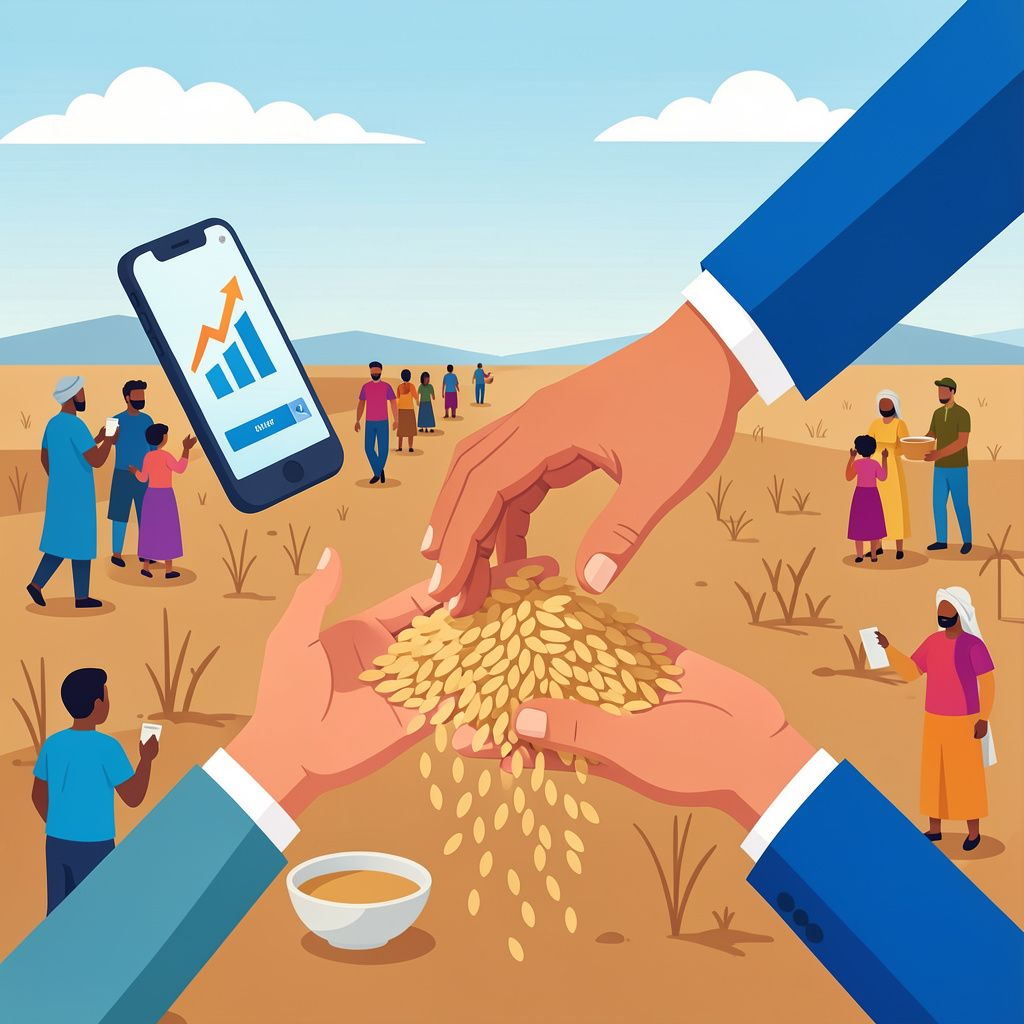
A fertiliser industry chief executive has revealed that current conflicts are threatening to eliminate 10 billion meals per week worldwide, with the poorest nations bearing the brunt of the crisis. War-related disruptions have already cut global nitrogen fertiliser production by half a million tonnes, potentially reducing crop yields by up to 50% in the first season alone. The executive warns that escalating fertiliser prices, which have surged 80% since conflicts began, could trigger a devastating bidding war for food between wealthy and developing nations, leaving the world’s most vulnerable populations unable to afford basic sustenance.
Gulf Conflict Blocks Critical Shipping Routes
The conflict in Iran has created severe disruptions to global fertiliser supply chains, with hostilities in the Gulf region blocking crucial shipping routes through the Strait of Hormuz [1]. Svein Tore Holsether, chief executive of Yara, one of the world’s largest fertiliser producers, described to the BBC how these disruptions are jeopardising global food production on an unprecedented scale [1]. The immediate impact has been a reduction of half a million tonnes in global nitrogen fertiliser production, representing a significant portion of the world’s agricultural input supply [1].
Devastating Impact on Crop Yields
The fertiliser shortage threatens to create catastrophic reductions in agricultural output across multiple growing seasons. According to Holsether’s analysis, the absence of nitrogen fertiliser could reduce crop yields by as much as 50% in the first season alone for affected crops [1]. This dramatic decline in productivity comes at a time when global food security is already under pressure, with the executive warning that up to 10 billion meals per week could be lost as a direct result of fertiliser shortages [1]. The scale of this potential food loss represents one of the most significant threats to global nutrition security in recent decades.
Price Surge Creates Economic Pressures
Fertiliser prices have experienced an extraordinary surge of 80% since the beginning of the conflict between the United States, Israel, and Iran [1]. This dramatic price increase compounds the challenges facing farmers worldwide, who are simultaneously dealing with rising costs across multiple input categories. Holsether highlighted that farmers face higher energy costs, increased diesel prices for tractors, and elevated costs for other essential inputs, whilst crop prices have not yet adjusted to compensate for these mounting expenses [1]. This cost-price squeeze threatens the viability of agricultural operations, particularly in regions where farmers operate on thin profit margins.
Vulnerable Populations Face Greatest Risk
The fertiliser crisis threatens to create a devastating bidding war for food between wealthy and developing nations, with the poorest populations bearing the greatest burden [1]. Holsether warned European policymakers to carefully consider the broader implications of food price competition, questioning who would be displaced from food markets if richer nations outbid poorer countries for limited supplies [1]. He emphasised that whilst Europe possesses the economic robustness to handle increased food costs, the most vulnerable populations in developing nations lack the financial capacity to compete in such a market [1]. Although the United Kingdom is unlikely to face actual food shortages, British consumers should expect to see the impact of increased production costs reflected in their weekly food bills over the coming months [1].