

Tunisian Club Faces Three-Window Transfer Ban Over Unpaid Kenyan Player Deal
Nairobi, 1 May 2026
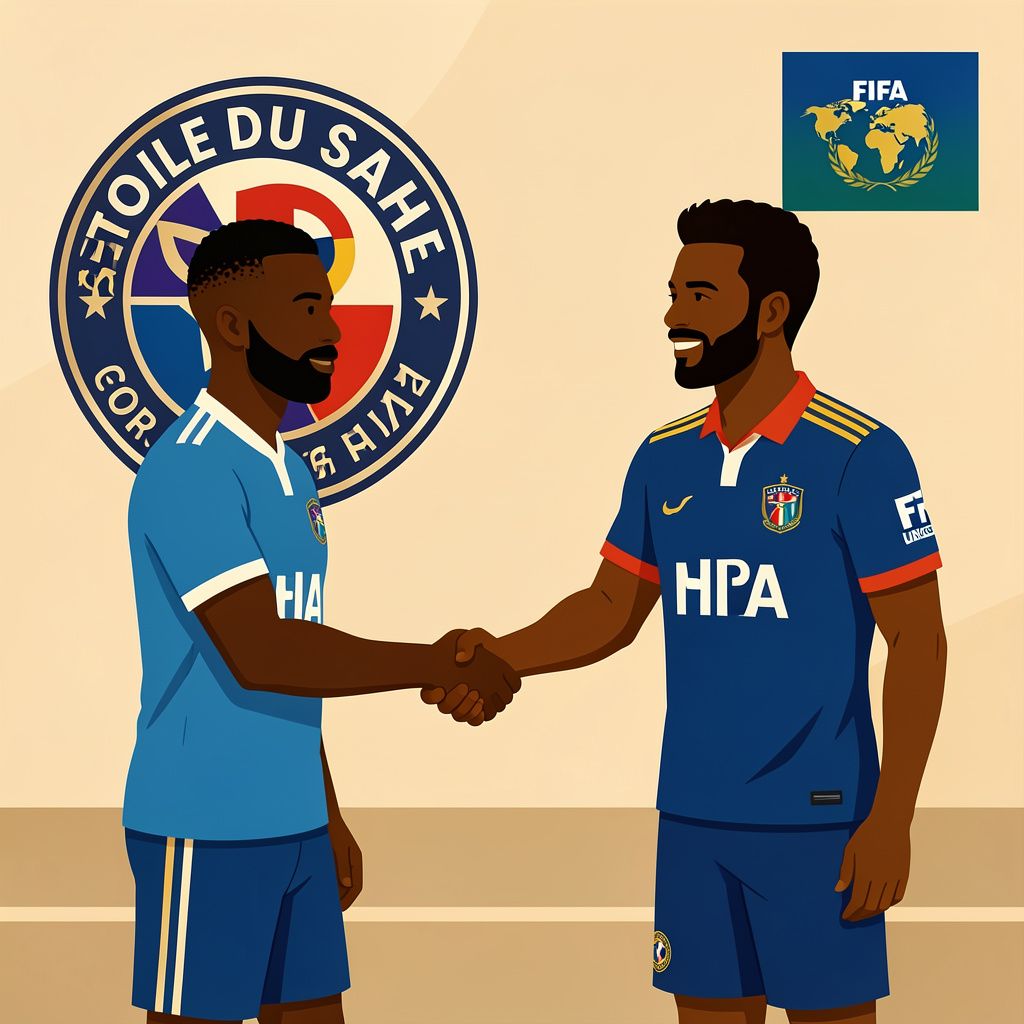
FIFA has imposed a comprehensive registration ban on Tunisia’s Etoile Sportive du Sahel for failing to pay Gor Mahia FC approximately £40,000 for defender Alphonce Omija’s transfer. The unprecedented three-window restriction prevents the Tunisian club from signing new players until the debt is settled, highlighting FIFA’s strengthened enforcement of financial fair play regulations. The case underscores the growing protection afforded to smaller clubs in transfer disputes and demonstrates East African football’s increasing prominence on the continental stage through successful legal challenges against established North African sides.
FIFA’s Swift Enforcement Action
The global football governing body delivered its ruling through a disciplinary communication dated 30 April 2026, confirming that Etoile Sportive du Sahel remains in breach of financial obligations despite a prior FIFA decision ordering payment to the Kenyan champions [1][2]. The sanction takes immediate effect and prohibits the Tunisian club from registering new players both internationally and domestically for up to three consecutive transfer windows [1][2]. FIFA has also instructed the Tunisian Football Association to enforce the ban at national level without delay, demonstrating the organisation’s commitment to ensuring compliance with its financial regulations across all member associations [2].
The Omija Transfer Dispute
The controversy centres around the transfer of defender Alphonce Omija, who moved from Gor Mahia FC to Etoile Sportive du Sahel in September 2025 [1][2]. Under the transfer agreement, the Tunisian club was obligated to pay USD 50,000, approximately KSh 6.4 million, to the Kenyan Premier League champions [1]. However, Gor Mahia officials indicated that despite initial assurances from Etoile, communication from the Tunisian side ceased entirely, forcing the Kenyan club to pursue the matter through FIFA’s legal structures [1]. The case, referenced as FDD-27571 in FIFA’s disciplinary system, represents a significant test of the governing body’s ability to protect smaller clubs in international transfer disputes [2].
Broader Implications for Player Welfare
Beyond the financial dispute, concerns have emerged regarding Omija’s welfare during his time in Tunisia, including reports of delayed salary payments and questions over how his earnings were being managed [1]. These allegations have added further scrutiny to the situation, highlighting the vulnerability of players caught in transfer disputes between clubs from different continents [1]. The case underscores FIFA’s evolving approach to protecting both clubs and players in international transfers, particularly when involving movements between established North African sides and emerging East African football markets [GPT].
East African Football’s Growing Continental Influence
This ruling represents a significant victory for East African football, demonstrating the region’s increasing ability to challenge established continental powers through proper legal channels [GPT]. Gor Mahia’s successful pursuit of the case through FIFA’s disciplinary framework showcases the growing sophistication of Kenyan football administration and the club’s determination to protect its financial interests [1]. The three-window transfer ban will remain in place until the full outstanding amount is settled, creating substantial sporting consequences for Etoile Sportive du Sahel and serving as a deterrent to other clubs considering similar defaults on transfer agreements [1][2]. The case sets an important precedent for future disputes involving African clubs and reinforces FIFA’s commitment to ensuring financial fair play across all levels of international football [GPT].