

Somalia Faces Five Million People at Risk as Middle East Crisis Worsens Hunger Emergency
Mogadishu, 8 May 2026
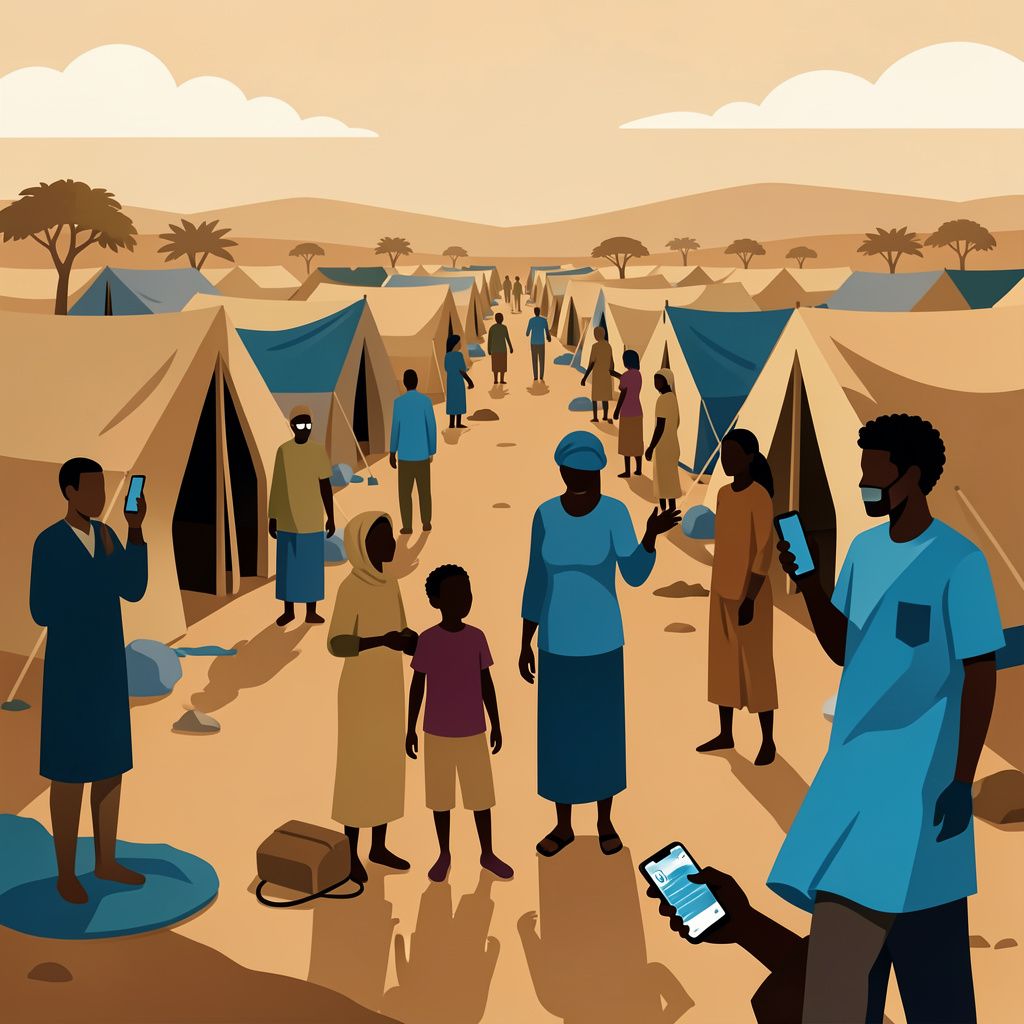
Nearly five million Somalis face severe hunger as fuel and food prices surge due to Middle East conflicts, forcing over 200,000 to flee their homes this year. The World Food Programme warns this represents one of Somalia’s worst hunger crises in recent years, with disrupted aid distribution networks hampering relief efforts. Emergency assistance could be completely suspended by July 2026 due to funding shortages, threatening millions already struggling with drought and displacement across the Horn of Africa nation.
Regional Conflicts Drive Food Price Crisis
The deteriorating situation stems from rising fuel and food prices directly linked to ongoing Middle East conflicts, according to World Food Programme official Matthew Hollingworth [1][2]. These price increases have compounded existing challenges from drought and displacement, creating what experts describe as one of Somalia’s most severe hunger emergencies in years [1][2]. The crisis has forced more than 200,000 people to abandon their homes in 2026 alone, adding to the country’s already substantial internally displaced population [1].
WFP Warns of Escalating Emergency
Expert assessments reveal that the number of people facing crisis-level hunger has nearly doubled within a single year, reaching 6.5 million Somalis [3]. Of particular concern, 2 million people now face emergency-level hunger, with this figure having tripled in just eight months [3]. The humanitarian situation has deteriorated so rapidly that over 1.8 million children are expected to suffer from acute malnutrition this year [3]. WFP Somalia Director Hameed Nuru warned that without sustained assistance, communities could return to emergency hunger levels or worse conditions [3].
Aid Distribution Networks Under Strain
Distribution challenges have significantly hampered relief efforts across Somalia, with disrupted networks making it increasingly difficult to reach those most in need [1][2]. The World Food Programme, which provides approximately 90% of food aid in Somalia, can currently reach only one in ten people requiring assistance due to severe funding constraints [3]. These logistical difficulties have been exacerbated by the broader regional instability affecting supply chains and transportation routes throughout the Horn of Africa [GPT].
Funding Crisis Threatens Emergency Response
The funding shortage has already forced WFP to cease emergency food aid in 30 districts across Somalia, with nutrition support now limited to children only [3]. Local testimonies paint a stark picture of the crisis’s human cost, with residents reporting families going without food for weeks and children unable to attend school [3]. Safiya Maxamed, a mother in northeastern Somalia, exemplifies the devastating impact, having lost 95 of her 100 goats due to the ongoing drought [3]. Emergency aid operations face complete suspension by July 2026 unless additional funding is secured, potentially leaving millions without life-saving assistance [3].