

Refugee Camps Launch Community-Led Mental Health Initiative in Kenya
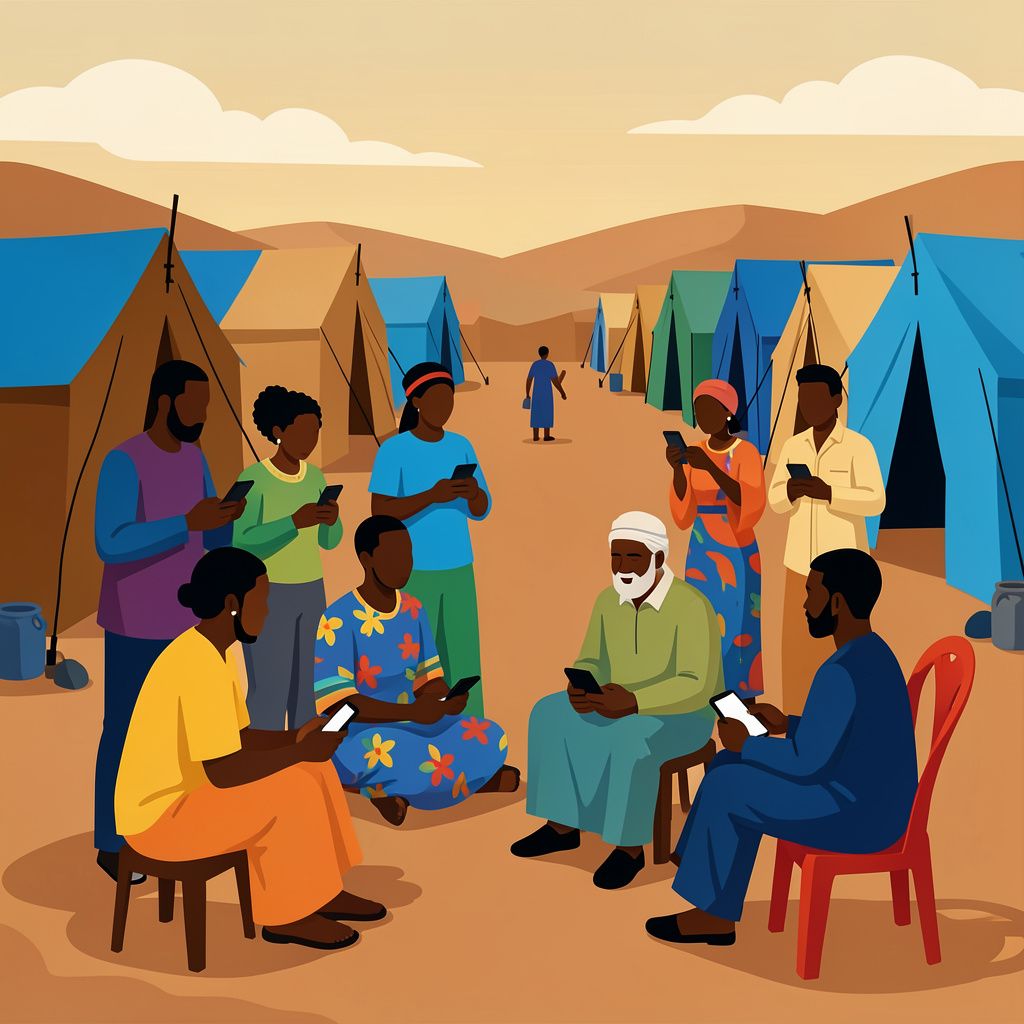
Kakuma, 8 May 2026
Twenty-seven volunteers from refugee and host communities completed intensive counselling training to provide psychological first aid and emotional support in Kenya’s Kakuma and Kalobeyei settlements. The three-day programme, funded by IKEA Foundation through the WEZESHA Project, equipped community leaders with essential skills including active listening, trauma response, and referral pathways for mental health services.
Training Programme Structure and Participants
The Refugee Consortium of Kenya (RCK) conducted the three-day training programme on Basic Counselling Skills in Kakuma between 1 May and 7 May 2026 [1]. The programme brought together community leaders, religious leaders, mental health champions, and community health promoters from both refugee and host communities [1]. Through interactive group discussions and practical learning sessions, participants explored active listening, empathy, Psychological First Aid (PFA), counselling ethics, self-care, and referral pathways for mental health support [1]. The training created a safe learning space where participants strengthened their capacity to support individuals facing psychosocial challenges and fostered peaceful coexistence within their communities [1].
Practical Skills Development and Community Impact
The training programme emphasised hands-on learning, with participants practising how to respond with compassion, dignity, and understanding during difficult moments [1]. Peter Lojana, a community resource person, highlighted the transformative nature of the skills learned, stating: “I’ve learned the essence of active and attentive listening as it truly changes how we connect and support others” [1]. Rabecca Lam, Chairlady of Kalobeyei Village 1, expressed her commitment to applying the new skills, saying: “I will now apply Psychological First Aid principles to support my community during conflict situations” [1]. These trained volunteers now serve as first points of contact for community members experiencing distress, providing crucial emotional support and guidance within the camps [1].
Addressing Mental Health Needs in Refugee Communities
The initiative recognises the critical importance of peer support in refugee communities where trauma, displacement stress, and ongoing uncertainty can significantly impact mental health [GPT]. The training aims to strengthen community-based mental health services and build local capacity to address psychological wellbeing amongst the refugee population [1]. By enhancing access to Mental Health and Psychosocial Support (MHPSS) services, the programme helps build stronger, more resilient communities and strengthens social cohesion among refugee and host communities [1]. The community-based approach ensures that support is culturally appropriate and readily accessible to those who need it most.
How to Access Mental Health Support Services
Community members in Kakuma and Kalobeyei settlements can now access mental health support through the 27 trained community resource persons who serve as the first point of contact for individuals experiencing psychological distress [1]. These volunteers are equipped to provide immediate Psychological First Aid and can guide community members to appropriate referral pathways for more specialised mental health services when needed [1]. The programme operates within both refugee and host communities, ensuring that support is available to all residents regardless of their status [1]. For those requiring professional mental health services beyond community-level support, the trained volunteers can facilitate connections with specialised providers through established referral networks.