

Kenya's Most Climate-Vulnerable County Calls for Urgent Action on World Environment Day
Lodwar, 6 June 2026
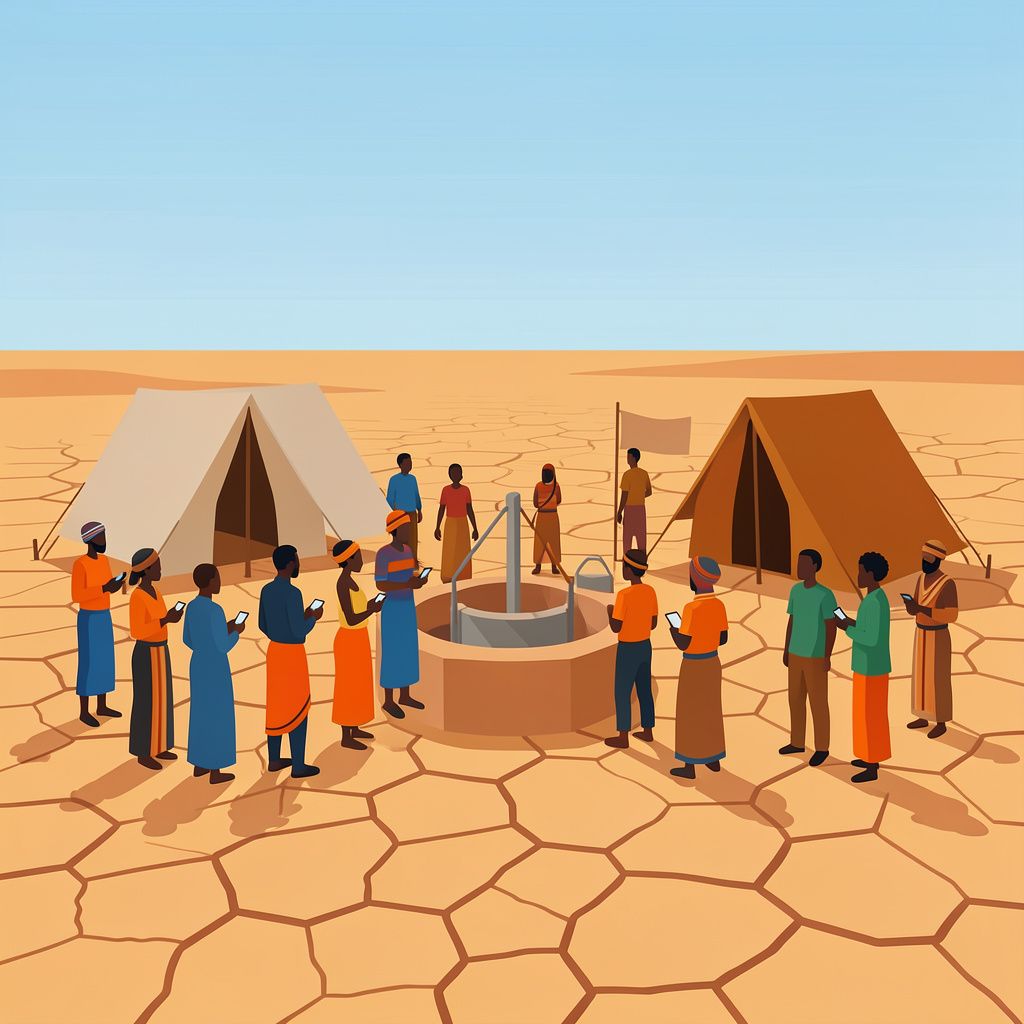
Turkana County, covering 77,000 sq km of drought-prone land, marked World Environment Day on 5 June 2026 with pledges to protect communities where climate change is already a daily survival crisis.
A County on the Climate Frontline
Turkana County is no stranger to environmental extremity. Stretching across 77,000 square kilometres of arid and semi-arid terrain in Kenya’s north-western corner, it is the second-largest county in the country — a vast, sun-scorched expanse where the consequences of a changing climate are not projections on a graph but lived, daily realities [1]. On 5 June 2026, World Environment Day, Turkana joined communities around the globe in pausing to reflect on those realities, and — critically — in making renewed pledges to confront them [1].
Officials Sound the Alarm on Climate Threats to Livelihoods
Speaking at the event on 5 June 2026, Deputy County Secretary Joseph Nyanga made clear that environmental protection in Turkana is not a matter of policy preference but of survival. He emphasised that climate change continues to pose a significant threat to livelihoods, natural resources, and ecosystems across the region, and called on residents to actively participate in environmental conservation initiatives [1]. Nyanga also stressed the importance of forging stronger partnerships among stakeholders and communities, commending environmental officers for their continued dedication to conservation work across the county [1].
A Shared Crisis: Host Communities and Refugees Alike
What makes Turkana’s environmental challenges uniquely complex is the demographic reality that sits alongside them. The county is home to both a substantial host community and the Kakuma and Kalobeyei refugee settlements [GPT], meaning that the pressures of desertification, prolonged drought, and dwindling natural resources fall simultaneously on two distinct but intertwined populations. For refugees, worsening environmental conditions translate directly into threats to food security, water access, and the availability of firewood — the most basic of daily necessities [GPT]. Climate policy in Turkana, in this context, is inseparable from humanitarian policy.
Pledges, Priorities, and the Road Ahead
The calls issued at Lodwar on 5 June 2026 — for increased tree cover, improved waste management systems, and stronger community involvement in conservation — echo a broader global push for nature-based solutions to climate adaptation [1][GPT]. For Turkana specifically, the stakes of inaction are measurable in the slow retreat of vegetation, the deepening of dry seasons, and the growing distances that communities must travel to find water or firewood [GPT]. The event served as a reminder, as officials noted, of the urgent need for governments, institutions, communities, and individuals to work together in mitigating the effects of climate change and building a more sustainable future [1].