

Kenya's Refugee Population Surges to 835,793 as Regional Conflicts Intensify
Nairobi, 5 May 2026
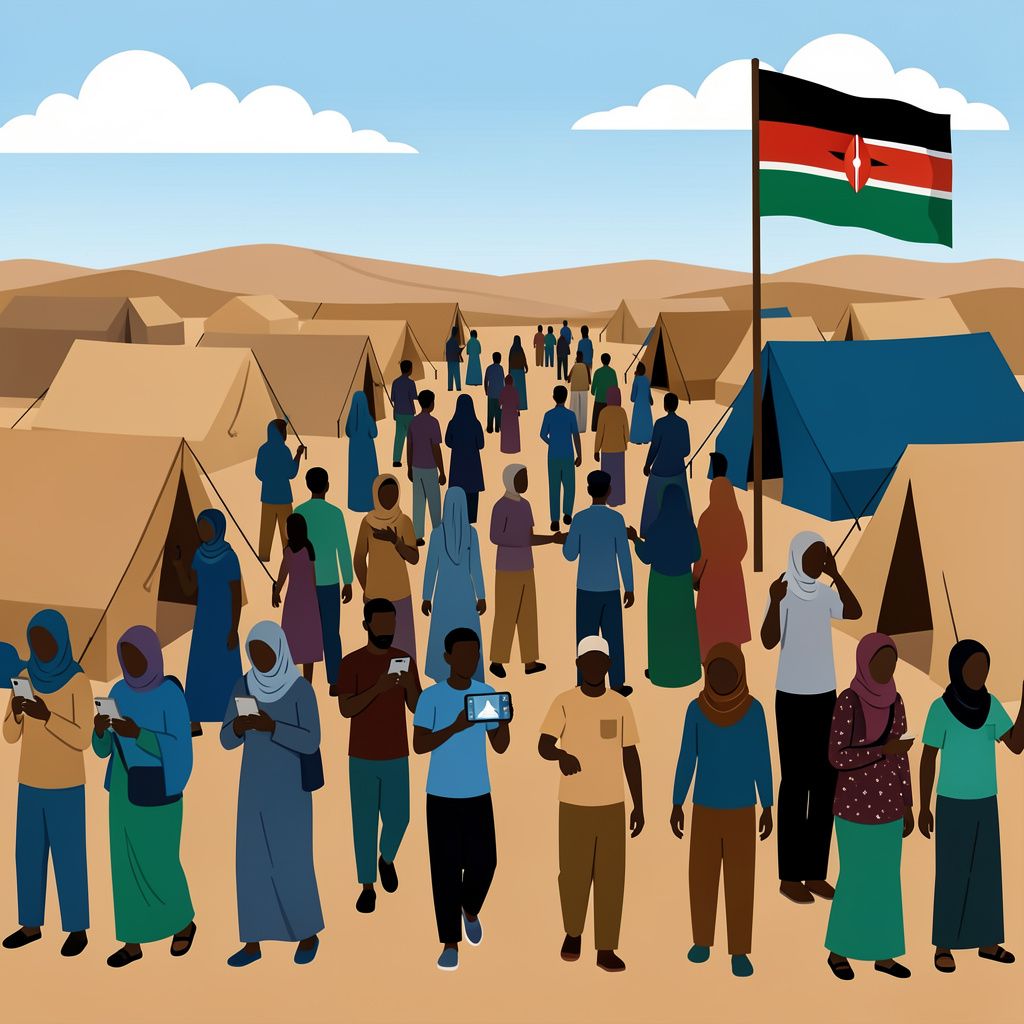
Kenya now hosts over 835,000 refugees and asylum seekers, marking a significant increase driven by escalating conflicts across East Africa. The surge places mounting pressure on established camps like Kakuma and Dadaab, while urban settlements expand to accommodate new arrivals from South Sudan, Somalia, Ethiopia, and the Democratic Republic of Congo. This dramatic rise highlights the growing humanitarian challenge facing Kenya’s refugee infrastructure and host communities, particularly in Turkana County, as regional instability continues to displace populations seeking safety across borders.
Mounting Pressure on Established Refugee Camps
The dramatic increase in refugee numbers has significantly intensified pressure on Kenya’s two primary refugee camps, Dadaab and Kakuma [1]. These facilities, originally designed for smaller populations, now struggle to accommodate the growing influx of displaced persons fleeing regional conflicts. The strain on infrastructure and resources at these camps reflects the broader humanitarian challenge Kenya faces as a regional refuge destination. Beyond traditional camp settlements, urban settlement trends continue to expand as displacement patterns evolve [1], with refugees increasingly seeking alternatives to overcrowded camp conditions.
Regional Media Freedom Challenges Compound Crisis
The refugee crisis unfolds against a backdrop of deteriorating media freedom across East Africa, which complicates accurate reporting and international awareness of displacement conditions [2]. Kenya leads the East African Community region in press freedom rankings at position 106 globally, followed by Tanzania at 117, South Sudan at 118, and Burundi at 119 [2]. However, journalists across the region face political pressure, legal challenges, and restrictive legislation that can limit coverage of sensitive issues, including refugee conditions and regional conflicts [2]. The Democratic Republic of Congo ranks at 130, Uganda at 131, and Rwanda at 139, indicating widespread challenges in documenting and reporting on displacement crises [2].
Impact on Turkana County and Host Communities
Turkana County, which hosts the Kakuma refugee camp, bears a disproportionate burden as refugee numbers continue to climb. The county’s infrastructure and local communities experience direct impacts from the sustained influx of displaced populations, creating both challenges and opportunities for the region. Host communities often share limited resources with refugee populations, including access to water, healthcare, and educational facilities [GPT]. The economic dynamics between refugee and host communities become increasingly complex as numbers grow, requiring careful management to maintain social cohesion and prevent tensions.
Regional Conflict Drivers and Future Outlook
The surge in Kenya’s refugee population directly correlates with ongoing conflicts across East Africa, particularly in South Sudan, Somalia, Ethiopia, and the Democratic Republic of Congo [alert! ‘specific conflict details not provided in sources’]. These regional instabilities show little sign of immediate resolution, suggesting continued displacement pressures for Kenya in the coming months. The country’s position as a relative safe haven in a volatile region means refugee numbers may continue rising throughout 2026, placing further strain on humanitarian resources and infrastructure. International support and coordinated regional responses become increasingly critical as traditional refugee management approaches reach capacity limits.