

US Funding Cuts Leave 300,000 Refugees Facing Severe Food Shortages in Kenya's Kakuma Camp
Kakuma, 5 May 2026
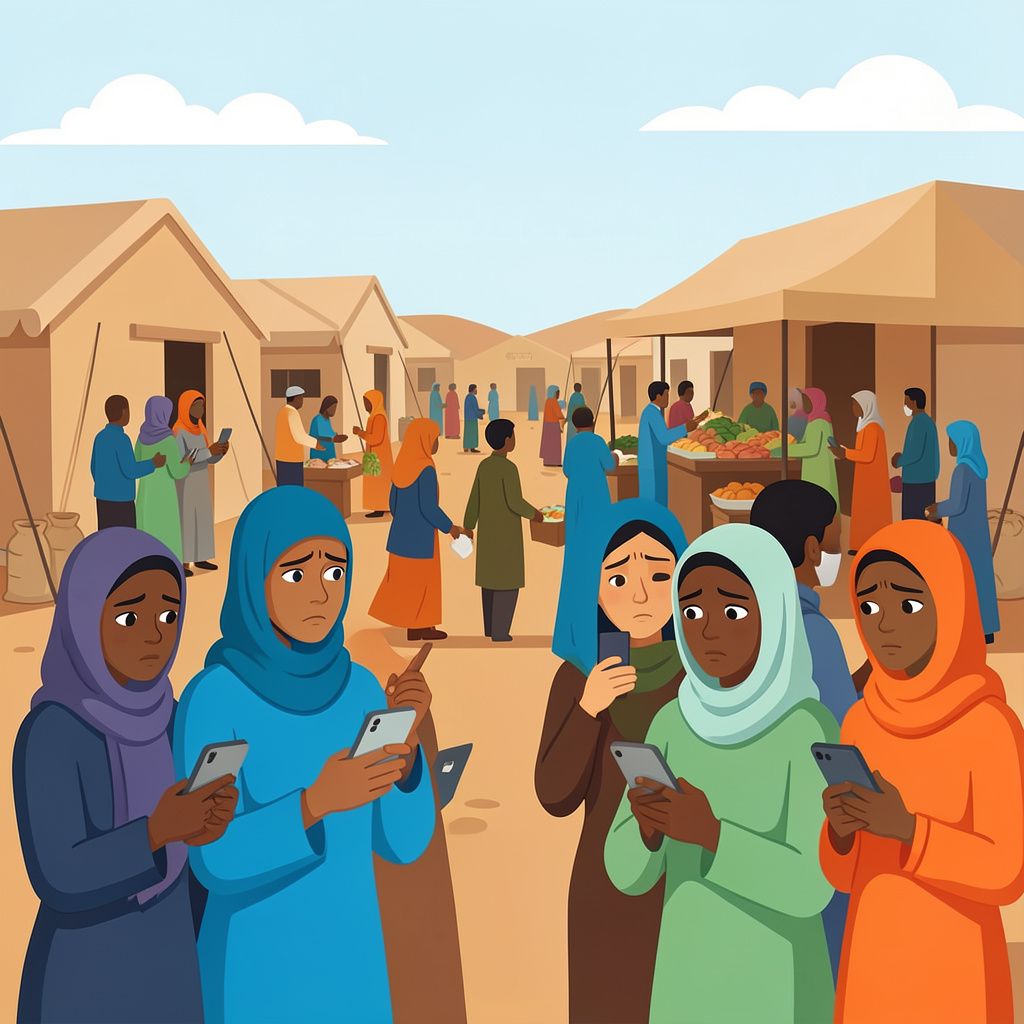
America’s withdrawal of support from the World Food Programme has triggered dramatic ration reductions for over 300,000 refugees at Kakuma camp, one of the world’s largest refugee settlements. The crisis affects families from South Sudan, Somalia, Ethiopia, and the Democratic Republic of Congo, highlighting how competing donor priorities create life-threatening food security challenges for vulnerable populations already displaced by conflict and persecution.
Humanitarian Sector Faces Widespread Funding Crisis
The crisis at Kakuma reflects broader challenges across the humanitarian sector, where severe funding cuts are forcing aid organisations to reduce critical services [1]. UNHCR staff departures underscore the scale of these reductions, with communication professionals leaving after years of work across Africa as the humanitarian sector confronts unprecedented financial constraints [1]. ProPublica’s recent reporting documented how the dismantling of USAID during previous administrative changes led to food ration cuts affecting over 300,000 people at Kenya’s Kakuma refugee camp, demonstrating the direct impact of policy decisions on vulnerable populations [2].
Daily Life Under Reduced Rations
Within the camp’s confines, residents like 34-year-old Umme Kulsom maintain cultural connections through food preparation, even as resources dwindle [3]. Her daily routine of sorting dried chillies and measuring rice represents both continuity with her past life in Arakan and adaptation to current constraints [3]. The simple ingredients that once connected refugees to their homeland now take on heightened significance as food security becomes increasingly precarious [3]. These personal narratives illustrate how funding cuts translate into immediate hardships for camp residents who already face restrictions on movement and limited opportunities for self-sufficiency [3].
Congressional Scrutiny and Legal Challenges
The humanitarian crisis has prompted congressional intervention, with Representative Gregory Meeks sending letters to Secretary of State Marco Rubio demanding explanations for claims that no deaths resulted from administrative actions affecting aid programmes [2]. Legal experts have filed complaints with the National Archives after discovering that USAID staff were instructed to destroy classified documents, raising concerns about transparency and accountability in humanitarian policy decisions [2]. Democracy Forward and the Public Citizen Litigation Group have sought emergency restraining orders to prevent further destruction of federal records related to these policy changes [2].
Broader Implications for Refugee Support
The Kakuma situation exemplifies systemic challenges in maintaining international humanitarian commitments amid competing domestic priorities and budget constraints [GPT]. Social media commentary reflects growing concern about resource allocation, with users questioning the prioritisation of international aid when domestic regions face their own challenges [4]. This tension between local and global humanitarian needs complicates efforts to secure stable, long-term funding for refugee support programmes [GPT]. The crisis underscores the vulnerability of refugee populations to political and economic decisions made far from the camps where they seek shelter and sustenance [GPT].