

Trump Claims Iran Ceasefire Ends Congressional War Powers Deadline
Washington, 2 May 2026
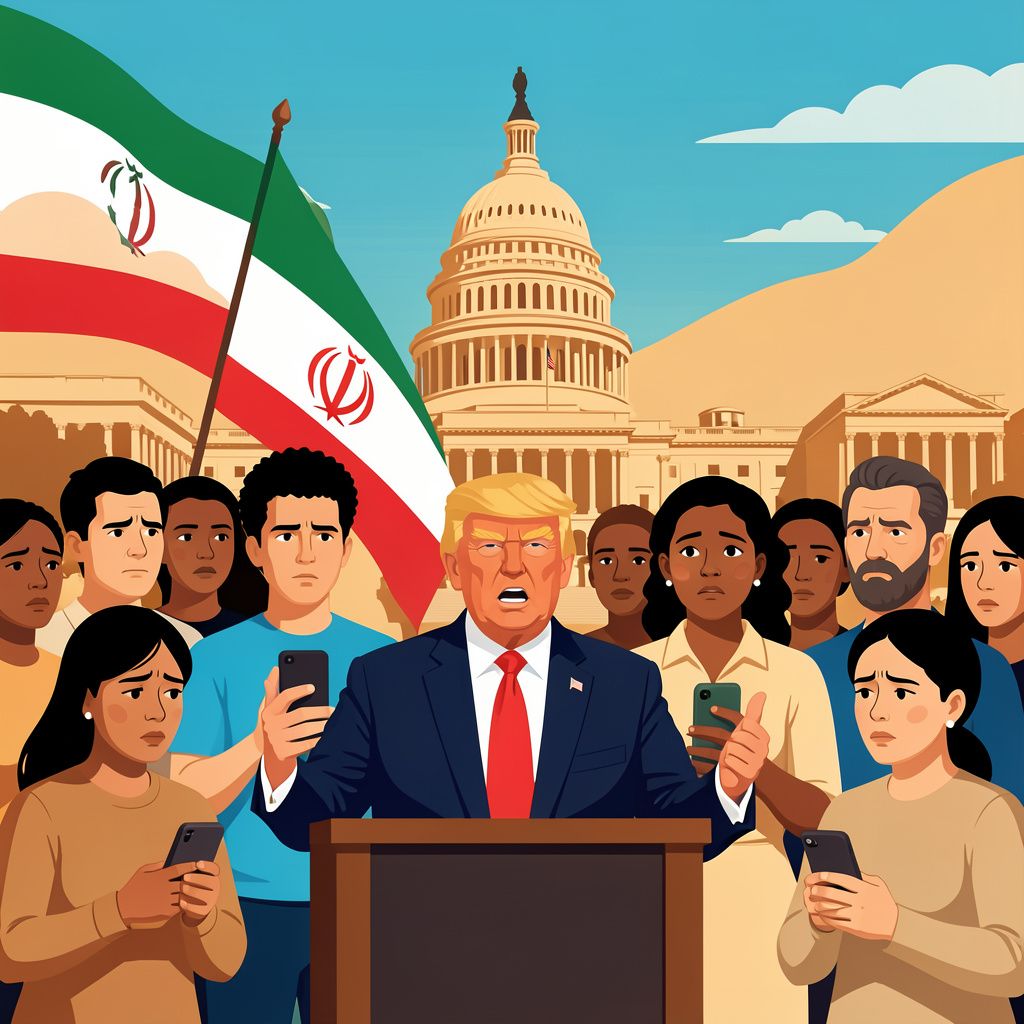
President Trump has declared that April’s ceasefire with Iran terminates his obligation to seek Congressional approval for military action, despite legal experts arguing a temporary ceasefire doesn’t permanently end conflict under the War Powers Act.
Background and Market Impact
This development follows weeks of escalating tensions that saw oil prices surge to two-year highs, as previously reported when Brent crude jumped nearly 7% to over $126 per barrel amid fears of supply disruptions from the Middle East [2]. The conflict, which began on 28 February 2026, initially triggered severe market volatility and raised concerns about global energy security [1]. UK consumers faced immediate impacts with petrol prices rising 24p per litre and diesel up 46p since the Iran conflict commenced [2].
Presidential Declaration and Legal Framework
In a written statement to Congress, Trump declared that “the hostilities that began on February 28, 2026 have terminated” due to the ceasefire arrangement agreed in April 2026 [1]. Under US law, presidents must receive Congressional approval within 60 days of notifying lawmakers of military action, or cease hostilities [1]. Trump’s assertion comes after Defence Secretary Pete Hegseth argued on Thursday, 29 April 2026, that the deadline to seek legislators’ approval had been paused [1]. The following day, Trump stated that seeking authorisation from Congress is unprecedented and “most people consider it totally unconstitutional” [1].
Expert Legal Analysis
Legal scholars have challenged Trump’s interpretation of the War Powers Act. Professor Heather Brandon-Smith from Georgetown University Law argued that “a ceasefire is not a permanent end to the conflict…To my mind, a permanent end to the conflict is what would actually sort of close up the 60 days” [1]. This expert assessment suggests that temporary ceasefires may not satisfy the legal requirements for terminating Congressional oversight under war powers legislation [GPT]. The distinction between temporary cessations of hostilities and permanent conflict resolution remains a critical legal question with significant constitutional implications.
Economic Disruption and Ongoing Concerns
The conflict’s economic ramifications continue despite the ceasefire, with the Strait of Hormuz effectively closed, causing global economic impacts [1]. The US Treasury has issued warnings that entities paying Iran for passage through the strait risk violating US sanctions [1]. On 29 April 2026, US Central Command briefed President Trump with military options, whilst Iranian media simultaneously reported a new proposal from Tehran transmitted via Pakistan [1]. However, Trump expressed dissatisfaction with the proposed deal, stating he was “not happy” with the arrangement [1]. For refugees in the region, this ongoing uncertainty affects border safety and potential resettlement decisions, as the temporary nature of the ceasefire provides little assurance of lasting stability in conflict zones.