

UN Launches New Digital Platform to Track Over 600,000 Displaced Persons in East Africa
Nairobi, 5 May 2026
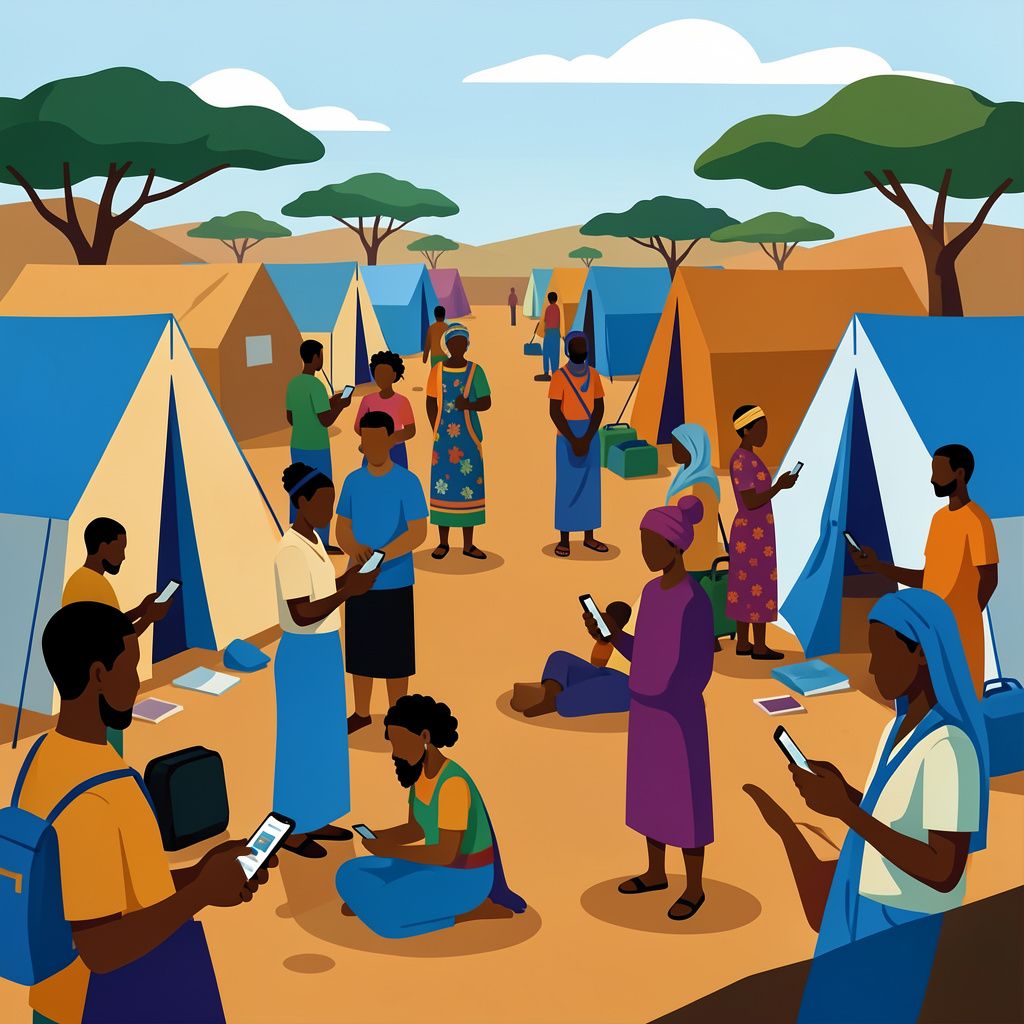
The UNHCR has unveiled a comprehensive data portal providing real-time tracking of refugees and internally displaced persons across seven East African nations, including Kenya, Tanzania, and Uganda. This digital initiative comes as the region grapples with massive displacement, with over 637,000 people affected by flooding and conflict-related displacement as of March 2026. The platform aims to revolutionise humanitarian coordination by centralising critical population movement data for aid organisations operating across the region.
Regional Coverage Spans Seven Nations
The updated Operational Data Portal covers seven East African Community nations, providing comprehensive tracking across Kenya, Tanzania, Uganda, South Sudan, the Democratic Republic of the Congo, Burundi, and Rwanda [1]. The dashboard, released with data current to 31 March 2026, represents UNHCR’s institutional tool for facilitating coordination amongst humanitarian partners across the region [1]. This extensive geographical coverage reflects the complex nature of displacement patterns in East Africa, where population movements frequently cross national borders due to conflict, climate events, and economic pressures.
Platform Addresses Massive Regional Displacement Crisis
The data portal launch comes as East Africa faces unprecedented displacement challenges, with flooding alone affecting 637,000 people across the region as of 3 May 2024, forcing 234,000 to flee their homes [2]. The crisis has particularly impacted Burundi, Kenya, Rwanda, Somalia, and Tanzania, where weeks of heavy rains and flooding have created widespread displacement [2]. The platform’s real-time tracking capabilities become crucial as humanitarian organisations coordinate responses to these multiple, simultaneous crises affecting millions across the region.
Enhanced Coordination Through Centralised Data Management
UNHCR’s Operational Data Portal functions as an information and data-sharing platform that facilitates coordination of refugee emergencies using independent ‘situation views’ for different crises [3]. The system allows humanitarian partners to access standardised datasets covering refugees, returnees, and internally displaced persons, with all information licensed under the Creative Commons Attribution 4.0 International Public License [3]. This centralised approach aims to eliminate data silos that have historically hampered coordinated humanitarian responses across the region’s complex displacement scenarios.
Regional Political Stability Concerns Mount
The platform’s launch coincides with heightened regional political tensions, as Tanzanian President Samia Suluhu Hassan warned on 4 May 2026 that no person or group would be allowed to disrupt democracy or threaten peace in Tanzania and Kenya [4]. Speaking at a business conference between Tanzania and Kenya at the Julius Nyerere International Convention Centre in Dar es Salaam, President Hassan emphasised that the development of both nations depends on political discipline and citizens’ responsibility in respecting laws and state institutions [4]. These political dynamics add complexity to humanitarian coordination efforts, as displaced populations often move between countries experiencing varying degrees of stability.