

Kenya Introduces Nationwide Digital System to Monitor Motorcycle Taxis
Nairobi, 5 November 2026
Kenya has launched a digital management system to register motorcycle taxi operators, curb widespread theft, and enforce legal ownership records across designated local zones.
Strengthening Sector Regulation and Ownership Tracking
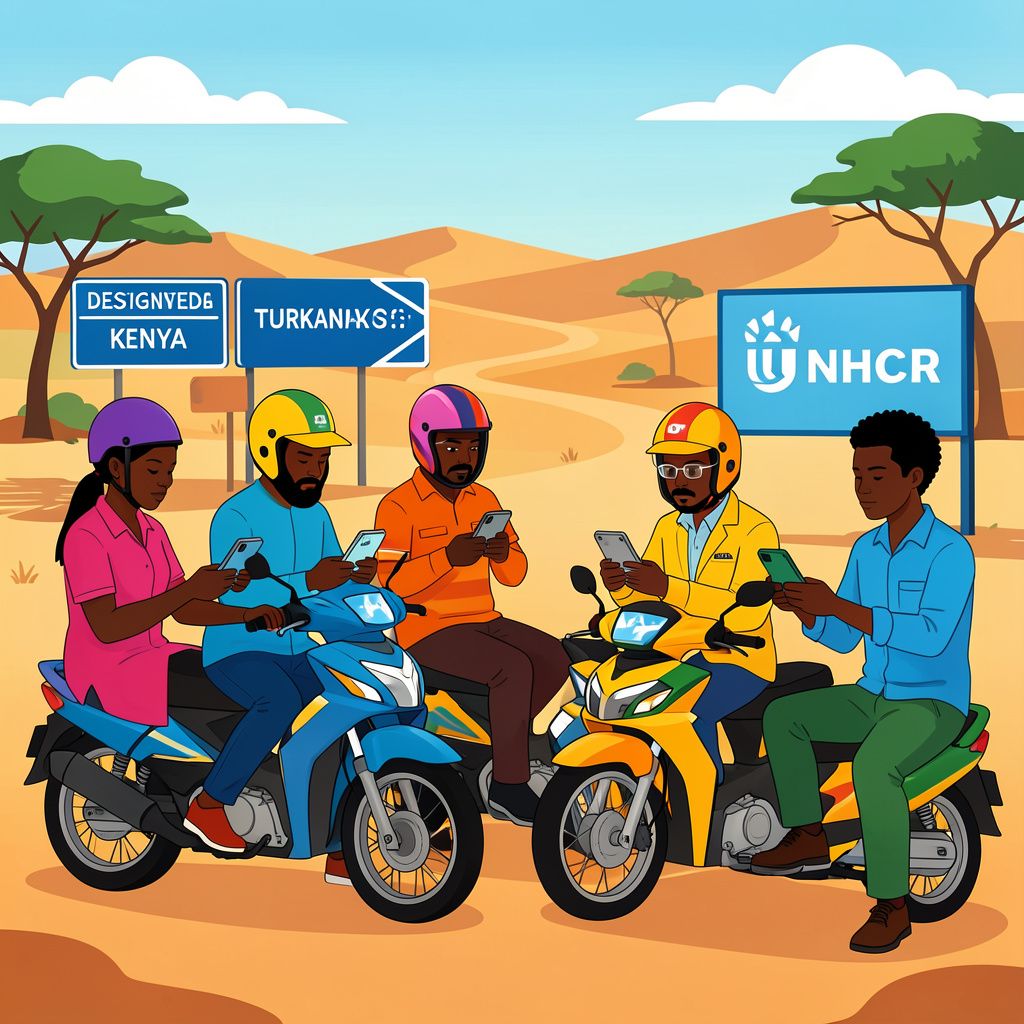
Kenya’s National Transport and Safety Authority (NTSA) announced the nationwide deployment of the Boda Boda Management System (BMS) on Thursday, 5 November 2026, targeting heightened operational transparency and asset security across the informal transport economy [1][2][8]. Speaking on behalf of the regulator, Samuel Musumba, NTSA Assistant Director of Road Safety Programmes, stated that the digital platform is engineered to register individual riders, identify their authorised pick-up stages, and map designated operating areas alongside drop-off zones [1][8]. The initiative directly confronts informal resale arrangements where motorbikes frequently trade hands without formal documentation, creating structural loopholes exploited by syndicates [2]. By recording precise ownership records on a centralised database, the system allows authorities and cooperative societies to trace registered vehicles, resolve asset ownership disputes, and recover motorbikes that have been reported stolen [1][2].
Eligibility Requirements and Local Registration Procedures
To access the service and ensure compliance, riders must be registered through organised community groups, specifically recognised Savings and Credit Cooperative Organisations (SACCOs), in close coordination with county governments [1][2]. Operating criteria require drivers to attach themselves to sanctioned geographic stages and obtain identification materials aligned with local county structures [1]. Although the NTSA has commenced operational rollout—incorporating urban zones such as Nairobi, where distinct reflector jacket colour codes now separate sectors like Lang’ata from Waiyaki Way—the regulator has left nationwide registration start dates unspecified [1][2][alert! ‘Nationwide registration start dates and deadlines were not specified by NTSA official Musumba’]. For operators working in major commercial hubs or remote border transport centres such as Lodwar, Kalobeyei, and Kakuma, joining an approved SACCO remains the fundamental gateway to onboarding onto the national registry and securing legal documentation [1][2][GPT].
Enforcement Framework and Outstanding Implementation Details
Musumba stressed that the overarching regulatory philosophy prioritises institutional oversight over penal action, affirming that the objective is preventing lawlessness while defending driver livelihoods [1]. County governments have created dedicated enforcement units to monitor compliance, checking whether riders are affiliated with recognised cooperatives and strictly following route designations [1]. However, procedural uncertainties remain: the NTSA has not disclosed precise punitive penalties for non-compliance, nor has it clarified whether the digital infrastructure incorporates live satellite GPS tracking [2]. These reforms carry forward long-term governance proposals initially formulated under former Interior Cabinet Secretary Fred Matiang’i, who recommended institutionalising SACCO formations and driving targeted safety training to bring operational stability to motorcycle transit [1].
Bronnen
- www.kenyans.co.ke
- peopledaily.digital
- www.instagram.com
- www.facebook.com
- x.com
- www.facebook.com
- www.instagram.com
- x.com