

African Union Partners with UNESCO to Combat Misinformation Across Continent
Addis Ababa, 30 April 2026
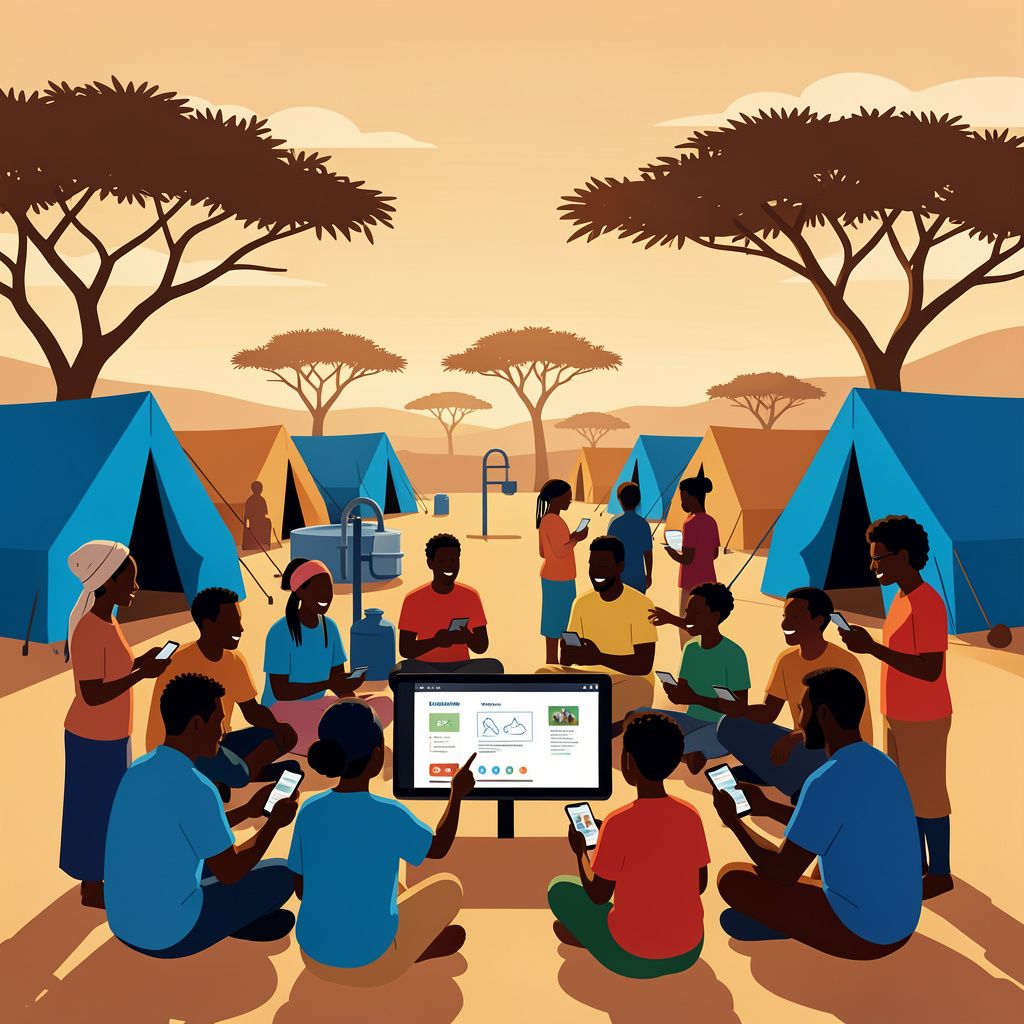
A groundbreaking collaboration between the African Union and UNESCO is developing Africa’s first comprehensive media literacy framework to strengthen critical thinking skills and fight misinformation. The initiative particularly targets refugee communities who depend heavily on mobile technology and diverse media channels for vital information about their home countries and essential services. This continent-wide programme could revolutionise how millions of Africans consume and evaluate information, addressing the growing challenge of false news in an increasingly connected digital landscape across 54 nations.
Strategic Framework Addresses Continental Information Challenges
The high-level consultation convened today, 30 April 2026, represents a pivotal moment in Africa’s digital transformation journey [1]. This initiative emerges against a backdrop of increasing digital connectivity across the continent, where mobile technology penetration has created new opportunities for information access whilst simultaneously exposing vulnerable populations to misinformation campaigns. The framework development process brings together policymakers, educators, and digital rights advocates to establish standardised approaches for media literacy education across African Union member states [1]. For refugee communities scattered across the continent, this initiative holds particular significance as displaced populations often rely exclusively on mobile devices and social media platforms for news about conflict zones, resettlement opportunities, and family members in their countries of origin [GPT].
Refugee Communities Face Unique Information Vulnerabilities
Displaced populations across Africa encounter heightened risks from false information, particularly regarding border safety conditions, conflict developments, and available humanitarian services [GPT]. The reliance on informal information networks and social media channels makes refugee communities especially susceptible to misinformation that could influence critical decisions about movement, resettlement, or return to home countries [GPT]. The proposed media literacy framework specifically acknowledges these vulnerabilities, recognising that improved critical thinking skills could enhance refugees’ ability to verify information about essential services, legal procedures, and security conditions in both host communities and countries of origin [1]. Current information gaps often force displaced populations to make life-altering decisions based on unverified reports circulated through messaging applications or word-of-mouth networks [GPT].
Digital Literacy Programmes Target Settlement Integration
The framework’s implementation could significantly enhance existing digital literacy programmes operating within refugee settlements across the continent [1]. These programmes currently focus primarily on basic technology skills, but the new media literacy component would equip participants with sophisticated analytical tools for evaluating news sources, identifying propaganda techniques, and cross-referencing information through multiple channels [GPT]. For host communities sharing resources and infrastructure with refugee populations, particularly in regions like Turkana County in Kenya, improved media literacy could reduce tensions stemming from misinformation about resource allocation, security threats, or government policies affecting both groups [GPT]. The shared benefits approach recognises that information literacy strengthens entire communities rather than isolated populations, creating more resilient information ecosystems in areas with significant displacement [1].
Continental Implementation Timeline and Monitoring Framework
The consultation process initiated today will establish benchmarks for measuring media literacy improvements across African Union member states, with particular attention to outcomes in areas hosting large refugee populations [1]. Implementation strategies must account for varying levels of digital infrastructure, literacy rates, and technological access across the continent’s 54 nations, ensuring that the framework remains adaptable to local conditions whilst maintaining consistent quality standards [GPT]. Monitoring mechanisms will track the framework’s effectiveness in reducing misinformation’s impact on vulnerable populations, including refugees’ decision-making processes regarding safety, movement, and access to services [1]. The success of this initiative could establish a model for other regions facing similar challenges with information integrity in contexts of displacement and digital transformation [GPT].