

Humanitarian Crisis Deepens as Almost All Northern Kenyan Households Require Aid
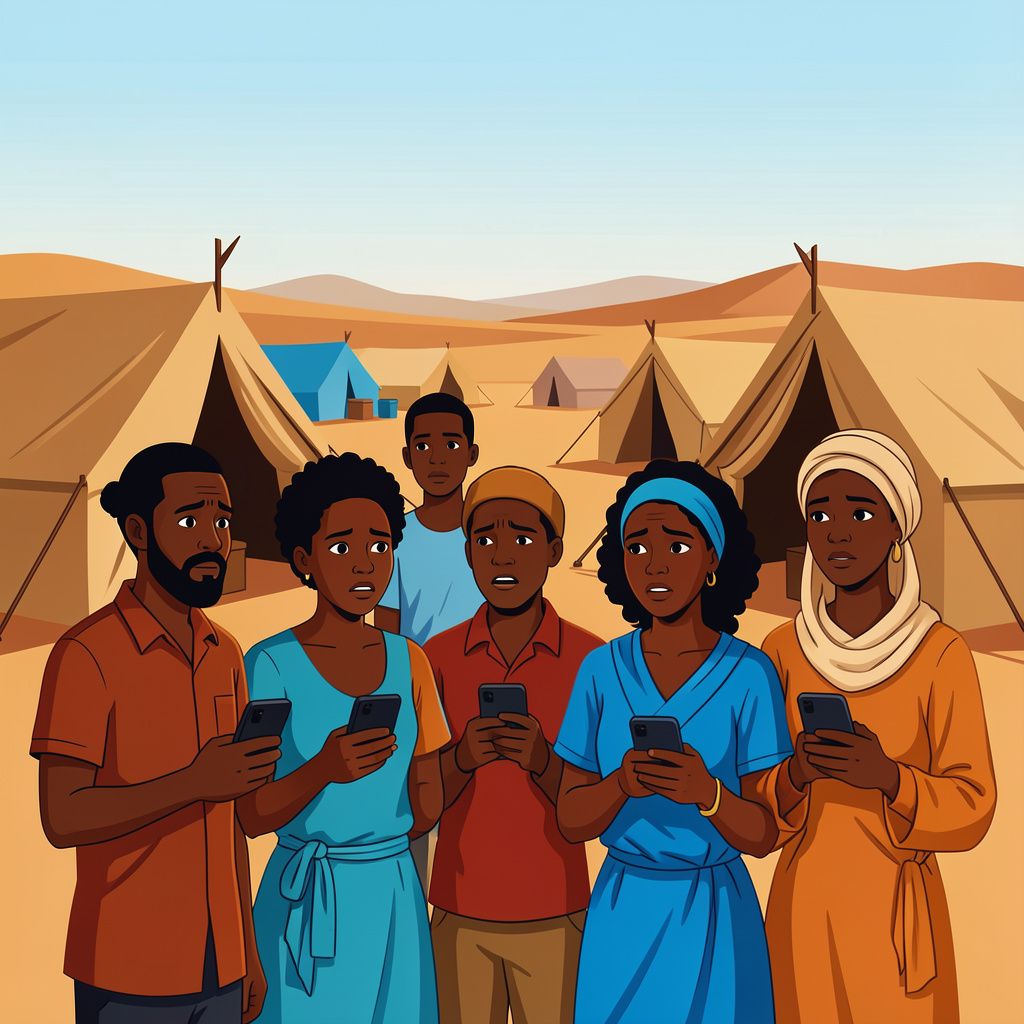
Kakuma, 27 October 2026
A startling 97 per cent of refugee and local households across northern Kenya need emergency aid, yet over half received no humanitarian assistance over the past year.
Survey Data Highlights Severe Shortfalls and Livelihood Losses
According to the 2026 Multi-Sectoral Needs Assessment (MSNA), which surveyed 4,896 households between 9 June and 25 June 2026 across selected refugee settlements and arid and semi-arid land (ASAL) counties, only 3 per cent of refugee, host, and drought-affected households are free from humanitarian needs [1]. This leaves an overwhelming 97 per cent of families requiring urgent support, with 59 per cent of households in ASAL areas classified as having severe needs [1]. The crisis follows erratic, below-average short rains between October and December 2025, which caused widespread crop failure, poor pasture recovery, and livestock mortality [1]. Although the long rains between March and May 2026 improved local water and pasture availability, depleted herds, persistent livelihood losses, and high living costs continue to impede economic recovery [1].
Unequal Distribution and Disconnect Between Cash and In-Kind Aid
Despite the scale of the emergency, only 48 per cent of surveyed households reported receiving any humanitarian aid in the 12 months preceding June 2026, meaning 52 per cent did not receive documented support [1]. The distribution displays a stark imbalance between groups: 81 per cent of refugee households accessed aid over that period, compared to just 44 per cent of host and affected community households [1]. Compounding delivery challenges, only 58 per cent of all assessed households felt that aid reached the most vulnerable, while 62 per cent of recipients reported that the assistance met all or most of their primary needs [1].
Diverging Regional Needs: Dadaab, Kakuma, and Kalobeyei
Overall, 68 per cent of households identified food shortages as their primary concern, followed closely by clean drinking water, shelter, and basic income needs [1]. Preferences for how aid is delivered vary sharply across geographies. Overall, 75 per cent of surveyed households favoured unrestricted cash transfers over direct food aid, which was preferred by only 17 per cent [1]. However, in Kakuma, where refugee numbers alongside Kalobeyei exceeded 300,000 in early 2025 [5], 61 per cent expressed a preference for direct food distributions, as did 43 per cent in Kalobeyei [1]. In contrast, 68 per cent of households in Dadaab preferred unrestricted cash [1]. This difference stems largely from local market integration, as cash works effectively only when local markets are supplied with grain, whereas remote settlements often rely directly on physical food pipelines [GPT].
Eligibility Criteria and Accessing Emergency Support Services
Government and humanitarian response mechanisms determine relief eligibility through community-based targeting, vulnerability assessments, and drought indicators managed by bodies such as the National Drought Management Authority (NDMA) [3]. To receive in-kind rations or cash stipends, household heads must register at local chief offices, camp administration desks, or humanitarian partner verification points with national identification or refugee documentation issued by the Department of Refugee Services [GPT]. Emergency food interventions—such as the Kenyan government’s allocation of 6,600 bags of maize for Turkana, 7,200 bags of rice for Mandera, and 8,840 shared bags of beans designed to assist 204,600 residents in Turkana and 287,700 in Mandera [3]—are distributed through designated National Cereals and Produce Board depots and local community distribution centres [3]. Households experiencing acute food insecurity should seek ongoing verification ahead of seasonal allocation cycles, as humanitarian agencies face tightening operational budgets and strict targeting thresholds across northern Kenya [1].
Bronnen
- eastleighvoice.co.ke
- reliefweb.int
- radiogeneration.co.ke
- www.instagram.com
- www.facebook.com
- www.facebook.com
- www.instagram.com
- www.facebook.com