

Kenya Launches First Comprehensive Guide for Businesses to Hire Refugees
Nairobi, 8 May 2026
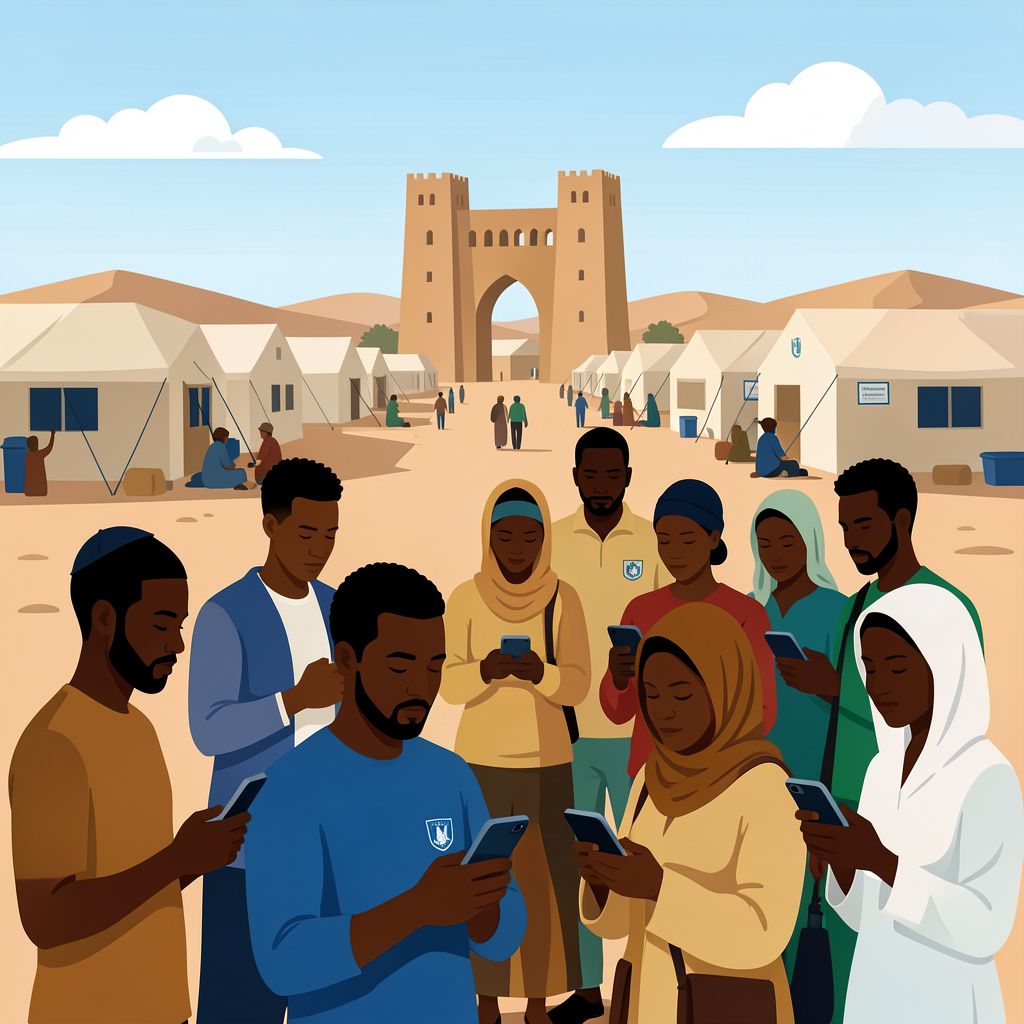
The Refugee Consortium of Kenya has released a groundbreaking employer toolkit that could transform how businesses integrate refugee workers into Kenya’s economy. Published on 26th February 2026, this comprehensive resource addresses legal requirements, work permit processes, and employment rights whilst highlighting the untapped potential of skilled refugee workers. The initiative represents a significant shift from traditional camp-based support towards urban economic integration, coinciding with global trends showing refugees increasingly moving to cities for livelihood opportunities. With practical guidance on best practices and procedures, the toolkit aims to unlock new employment pathways for refugees seeking work outside conventional programmes, potentially benefiting both displaced populations and Kenyan businesses seeking diverse talent pools.
Building on Previous Policy Analysis
This employer toolkit builds upon the Refugee Consortium of Kenya’s earlier comprehensive white paper examining work permit policies affecting thousands of refugees in camps like Kakuma and Kalobeyei, which proposed critical policy reforms for economic opportunities within Kenya’s legal framework [alert! ‘reference to previous article context provided in instructions’]. The new resource, published on 26th February 2026 [1], represents a practical step forward from policy analysis to actionable guidance for employers. This progression from theoretical policy examination to concrete implementation tools reflects the organisation’s systematic approach to addressing refugee employment barriers through both advocacy and direct business engagement.
Shifting Demographics Drive Urban Employment Focus
The toolkit’s release coincides with significant demographic shifts in refugee settlement patterns across Africa. Recent data from the Second African Urban Forum in Nairobi revealed that whilst Africa hosts 10.8 million refugees and asylum-seekers, with 21% living in cities and 75% in rural areas [2], traditional settlements and camps are facing drastic funding cuts, leading to accelerated refugee movement towards secondary cities in search of sustainable livelihoods [2]. This urban migration pattern, highlighted during a high-level session on urban displacement at the forum on 10th April 2026 [2], underscores the critical need for practical employment solutions in Kenya’s urban centres. The geographical shift from camps to cities represents what experts describe as moving from a ‘camp-based challenge’ to ‘an urban governance and development opportunity’ [2].
Practical Implementation for Employers
The employer toolkit addresses the evolving needs of businesses seeking to hire refugee workers by providing clear guidance on legal requirements, work permit processes, and employment rights [1]. This resource particularly benefits organisations looking to access skilled refugee workers who possess diverse professional backgrounds and language capabilities [GPT]. The toolkit’s practical approach aligns with successful integration models already operating in other contexts, such as Cafe Stepping Stone in Dickson, which provides employment opportunities for migrant and refugee women facing significant barriers to employment [3]. Such examples demonstrate the viability of refugee employment programmes when proper guidance and support structures are in place.
Strategic Alignment with Global Frameworks
The Refugee Consortium of Kenya’s initiative reflects broader strategic shifts in refugee support mechanisms. The approach moves away from rigid, location-bound assistance to portable, person-centric support that follows the refugee, whilst prioritising the strengthening of local governance and integrating refugee needs into national and municipal systems [2]. This methodology aligns with the Human Settlements Pledge, launched at the Global Refugee Forum 2023, which calls for adapting support systems to be more inclusive of local actors and more agile in the face of urban migration [2]. The toolkit serves as a practical tool for implementing these strategic principles at the employer level, facilitating the transition from managing crisis situations to building resilient, integrated economic systems that benefit both refugee populations and host communities.