

East Africa Creates Rapid Response Network to Combat Future Disease Outbreaks
Nairobi, 5 May 2026
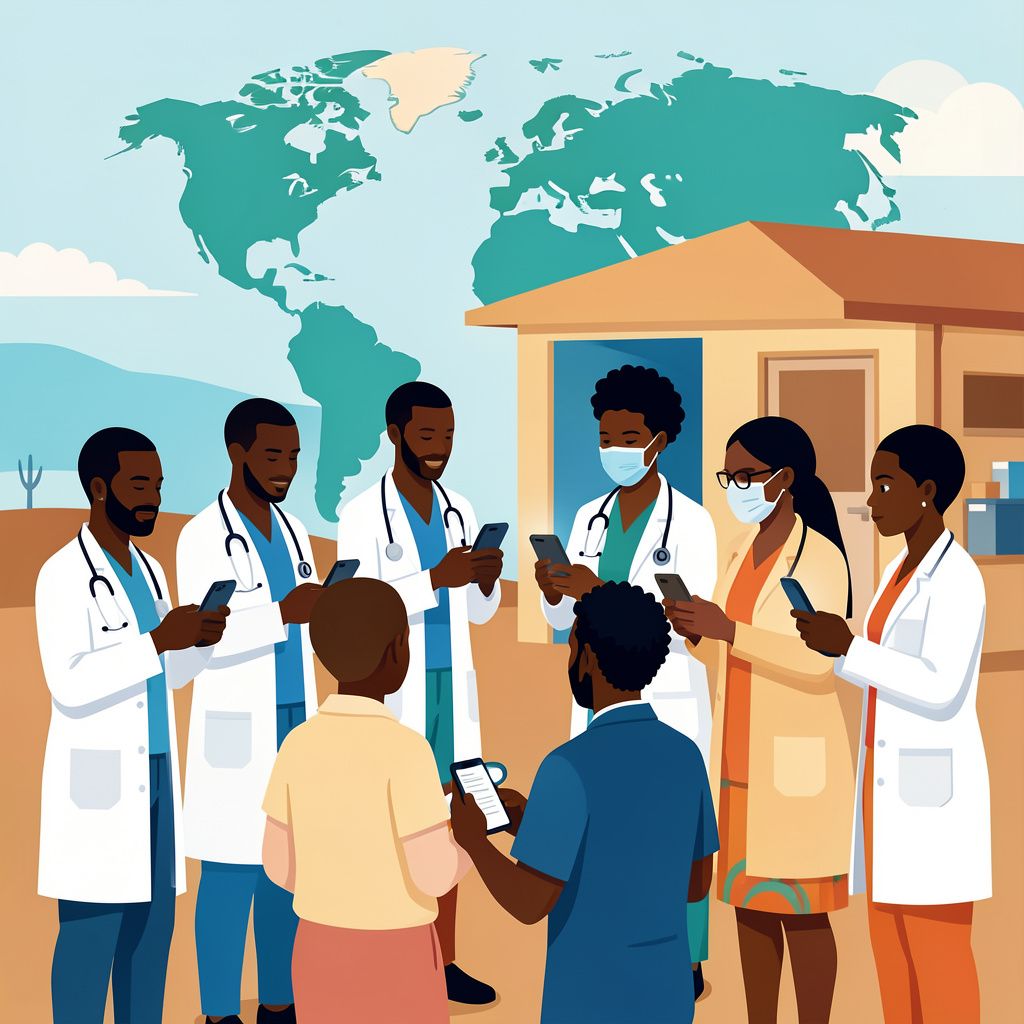
The East African Community has launched a groundbreaking regional health security initiative, establishing a Rapidly Deployable Expert Pool that can swiftly mobilise medical professionals across borders during health emergencies. This coordinated approach, demonstrated at the recent World Health Summit in Nairobi, represents a fundamental shift from individual national responses to unified regional action against infectious diseases like Ebola and Marburg.
Regional Cooperation Takes Centre Stage
The World Health Summit Regional Meeting, held from 27-29 April 2026 in Nairobi under the theme ‘Reimagining Africa’s Health Systems: Innovation, Integration and Interdependence’, showcased how the East African Community is transforming its approach to health emergencies [1][2]. The EAC demonstrated coordinated approaches that enable faster response times through early sharing of surveillance data, cross-border coordination, and harmonised guidelines for detection, treatment and communication [1]. Deputy Secretary General Andrea Aguer Ariik Malueth emphasised that ‘regional cooperation allows Partner States to act as one system rather than individually’, noting that this approach ensures faster detection, consistent messaging, and more efficient use of limited resources, particularly for diseases that do not respect borders [1].
Live Training Exercises Test Response Capabilities
The summit featured comprehensive live simulations of Ebola and Marburg clinical management, demonstrating the practical application of outbreak response protocols [1][2]. These exercises included Intensive Care Unit training scenarios that showed the proper application of personal protective equipment and clinical protocols under pressure [1]. The simulation exercise tested response capacity by demonstrating the use of protective equipment, clinical protocols and decision-making under emergency conditions [2]. Officials noted that such exercises help translate preparedness into practical readiness, moving beyond theoretical frameworks to hands-on competency [2].
German Partnership Strengthens Regional Infrastructure
Germany’s Federal Ministry for Economic Cooperation and Development is providing crucial support through partnerships with technical institutions including Charité – Universitätsmedizin Berlin, Deutsche Gesellschaft für Internationale Zusammenarbeit (GIZ) GmbH, and the German Epidemic Preparedness Team (SEEG) [1]. Dr. Tania Vorwerk, representing the BMZ, stated that ‘Germany supports the East African Community in strengthening mechanisms such as the Rapidly Deployable Expert Pool, a regional network that enables the timely deployment of skilled professionals to respond to outbreaks across the region’ [1]. The partnership focuses on advancing surveillance and early warning systems, expanding laboratory and diagnostic capacity, and improving infection prevention and control through the One Health Approach [1].
TEACH Initiative Addresses Critical Care Gaps
The EAC launched the Training in the East African Community for High Consequence Infectious Diseases (TEACH) initiative in Nairobi, with technical support from Charité – Universitätsmedizin Berlin [1][2]. TEACH aims to strengthen intensive care capacity for patients diagnosed with high-risk infectious diseases such as Ebola and Marburg, addressing a critical gap in regional healthcare infrastructure [1]. The initiative represents part of broader efforts focusing on workforce development alongside improvements in early warning systems and laboratory services [2]. These preparedness efforts draw on lessons from recent outbreaks, including the 2024 Marburg virus outbreak in Rwanda and responses to Mpox and other infectious diseases [2].
Enhanced Protection for Vulnerable Populations
The strengthened regional response mechanisms hold particular significance for refugee communities and other vulnerable populations across East Africa, who are often disproportionately affected during health crises [GPT]. The coordinated approach enables faster deployment of medical expertise and resources to areas including refugee camps in Kenya and other EAC member states, addressing a critical gap in emergency healthcare provision [GPT]. The partnership with international organisations including the World Health Organization Regional Office for Africa and the Africa Centres for Disease Control and Prevention ensures that preparedness efforts maintain focus on protecting the most vulnerable communities [2]. As Dr. Vorwerk noted, the commitment extends to ‘supporting pandemic preparedness as a shared responsibility, helping to protect not only the region, but the world from future pandemics’ [1].