

The World's Top War Crimes Prosecutor Has Been Suspended — Here Is What It Means for Global Justice
The Hague, 10 June 2026
On 8 June 2026, the ICC suspended Chief Prosecutor Karim Khan over sexual misconduct allegations, backed by 5,000 pages of evidence. With active investigations in conflict zones worldwide, the stakes for global accountability could not be higher.
A Crisis Two Years in the Making
The suspension of Karim Khan on 8 June 2026 did not emerge overnight. The allegations against the British lawyer, who has led the International Criminal Court (ICC) since 2021, were first reported in 2024, brought by a woman who worked directly for him at the court’s headquarters in The Hague [1][5]. That initial referral was closed, but a second referral in October 2024 triggered a formal investigation by the United Nations Office of Internal Oversight Services (OIOS), which ran from November 2024 through to December 2025 [1]. The resulting body of evidence was staggering in scale: over 5,000 pages of testimony and documentation, which a three-judge panel then reviewed before advising the Bureau of the Assembly of States Parties (ASP) [1].
How the Suspension Was Reached
The decision to suspend Khan with immediate effect was made by the ICC’s executive committee, which comprises 21 of the court’s member states [5]. That committee voted by a qualified majority to determine that Khan had committed serious misconduct in connection with the sexual abuse claims, basing its decision on the OIOS report, the advice of a panel of judicial experts, and written submissions understood to have been provided by both Khan and the alleged victim [5]. Critically, the governing body was explicit that the suspension itself is “not an indication of the final outcome” [5] — it is a procedural step, not a verdict. Khan had already been on voluntary leave since May 2025, stepping back from day-to-day management of the ICC’s prosecution division well before the formal suspension was handed down [1].
What This Means for Refugees and Conflict Zones
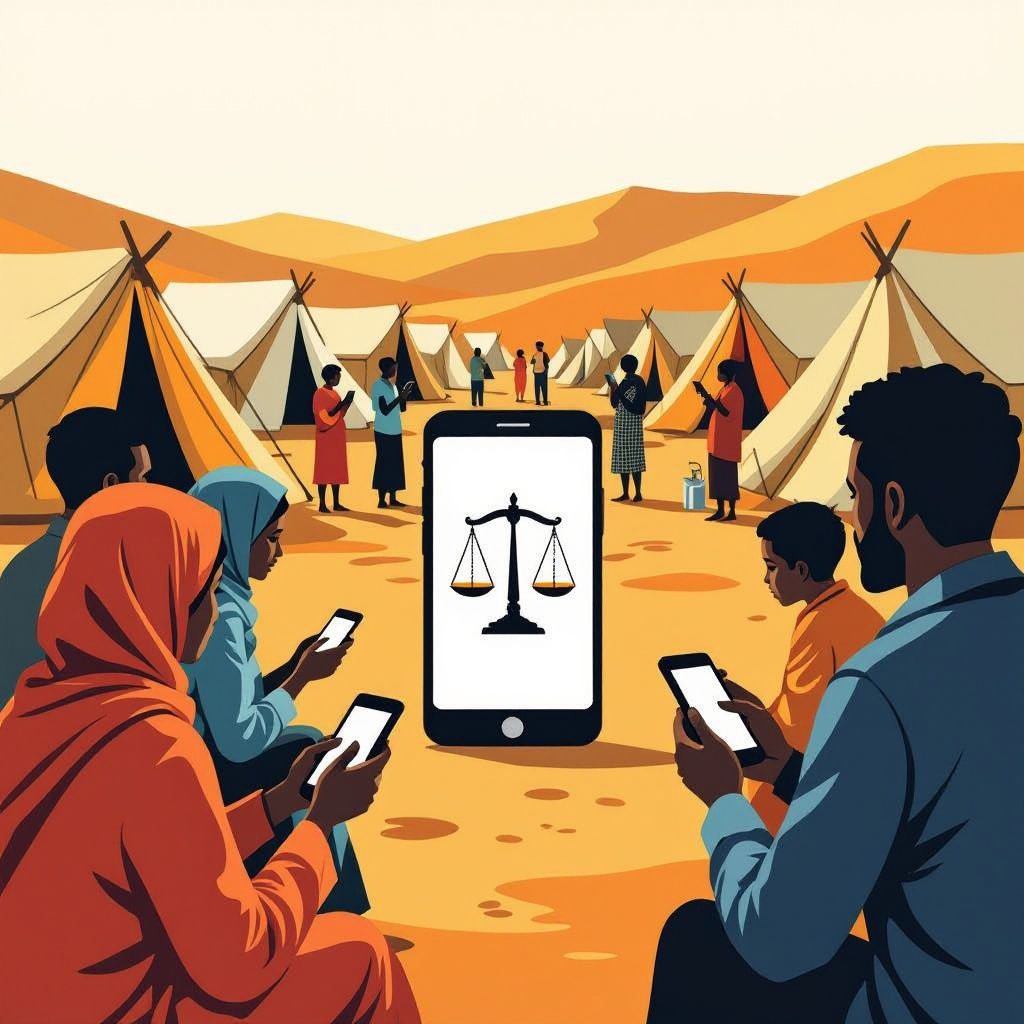
For the millions of people displaced by conflict in regions where the ICC holds active investigations — including South Sudan, Somalia, and the Democratic Republic of Congo — the suspension of the court’s chief prosecutor is not an abstract governance matter [GPT]. It strikes at the heart of their most fundamental expectation: that those responsible for atrocities committed against them will one day be held to account. The ICC exists precisely as a court of last resort for situations where national justice systems cannot or will not act [5][GPT], and the credibility of its prosecution arm is therefore inseparable from the prospects of justice for survivors in these regions.
The Road Ahead for International Justice
A deputy prosecutor is expected to assume Khan’s responsibilities for the duration of the investigation and any subsequent proceedings [GPT][alert! ‘Sources confirm a deputy will assume responsibilities but do not name the individual or provide a formal handover date’]. The institutional challenge now facing the ICC is considerable: maintaining the momentum of active prosecutions, preserving staff confidence, and demonstrating to its 125 member states — and to the world — that the court’s processes remain credible and impartial regardless of who holds its highest prosecutorial office [1][5].