

Kenya Lowers Fuel Quality Standards as Middle East Crisis Disrupts Oil Supplies
Nairobi, 7 May 2026
Kenya has temporarily increased allowable sulphur content in petrol and diesel from 10 to 50 parts per million for six months, effectively reverting to pre-2025 standards. The policy change, implemented on 1st May, responds to severe supply disruptions caused by Iran’s closure of the Strait of Hormuz, which has blocked 66% of Kenya’s diesel and 24% of petrol imports from the Gulf region. Trade Secretary Lee Kinyanjui defended the decision, stating ‘between having perfect quality and availability, we chose availability.’ Fuel prices have surged dramatically, with diesel rising 24% and petrol 16% in April alone, despite government tax cuts to cushion consumers.
Supply Chain Crisis Hits Kenyan Markets
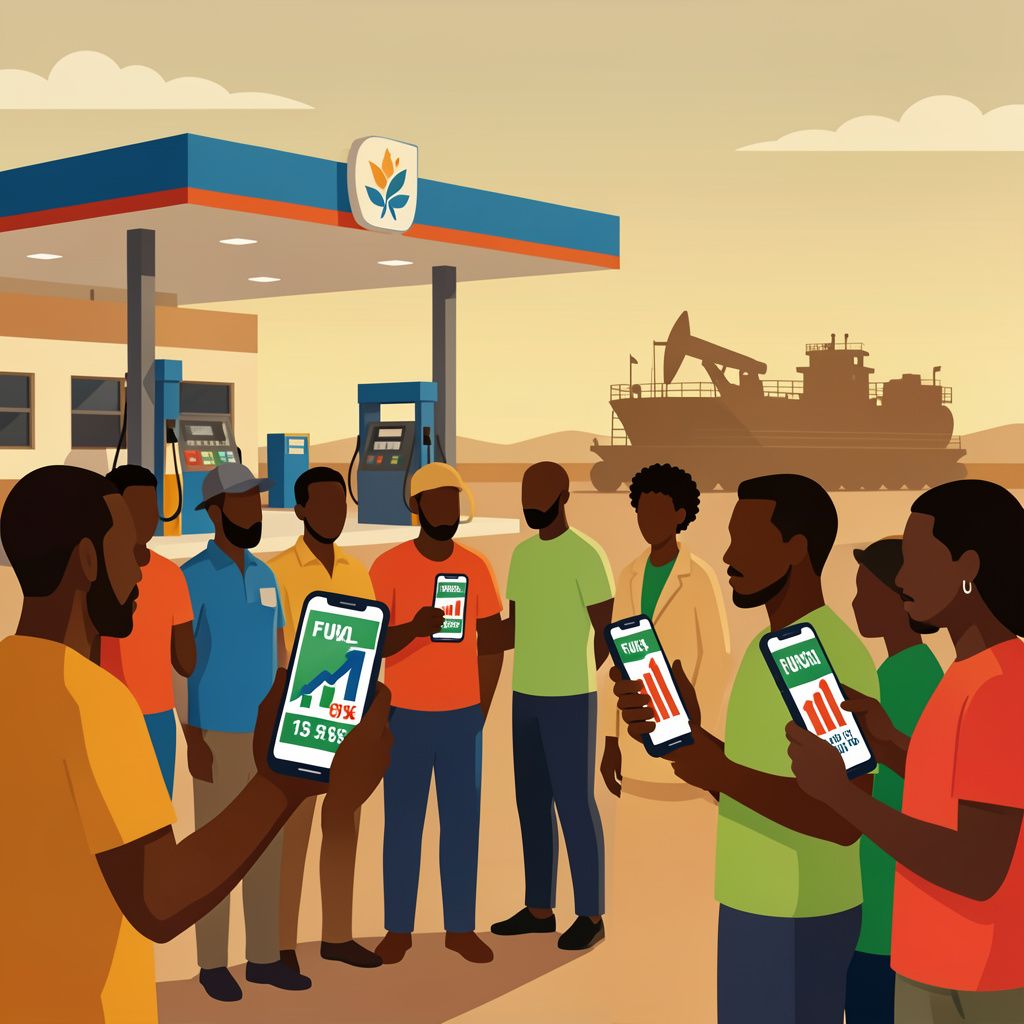
The fuel supply disruptions became evident across Kenya on 5th May 2026, with petrol stations in Kisumu either running out of fuel entirely or implementing strict rationing of available stocks [2]. Motorists found themselves stranded while transport costs escalated as operators struggled to secure adequate supplies. In Kutus, desperate motorists and boda-boda riders scrambled for limited fuel supplies, with accusations of hoarding emerging despite recent price increases [2]. The crisis extended beyond individual consumers, with truck drivers at the Kenya Pipeline Company loading yard reporting significantly longer waiting periods directly linked to diesel shortages [2].
Government Response and Technical Challenges
Energy Cabinet Secretary Opiyo Wandayi acknowledged on 6th May 2026 that temporary fuel supply challenges had affected petroleum product uptake in isolated filling stations across the country, attributing these disruptions to technical and administrative issues [2]. The Ministry of Energy and Petroleum worked to restore normal deliveries nationwide whilst reassuring citizens that adequate fuel stocks remained available [2]. However, a ministry official revealed on 4th May that delays in clearing cargo into the Kenya Pipeline Company system had contributed significantly to the supply disruption, though this particular issue was resolved the same day [2]. Despite government assurances of sufficient petrol and diesel stocks to sustain demand for 19 days, the Petroleum Outlets Association of Kenya Chairman Martin Chomba linked ongoing supply disruptions to shipment delays following the lowering of standards and persistent diesel shortages over the preceding fortnight [2].
Economic Impact and Regional Consequences
The fuel crisis triggered immediate economic consequences across Kenya’s transport sector, with public transport operators in parts of Kisii and Homa Bay counties raising fares on 5th May 2026, citing escalating fuel costs as justification [2]. The price surge reflected broader regional challenges as Kenya, alongside other East African nations, scrambled to source fuel from unconventional suppliers including the United States and Nigeria to replace lost Middle Eastern supplies [1]. These alternative supply arrangements contributed directly to higher retail prices, creating a cascading effect throughout the economy [1]. The government’s decision to cut value-added tax on both diesel and petrol provided some cushioning for consumers, though this measure could not fully offset the dramatic price increases driven by import cost pressures [1].
Long-term Implications for Fuel Standards
Trade Cabinet Secretary Lee Kinyanjui indicated on 6th May 2026 that the return to higher-sulphur fuel standards could persist for the next one to two years, citing extensive damage to Middle Eastern refineries and ongoing global supply chain disruptions [2][7]. This timeline represents a significant departure from the initial six-month framework announced by the Ministry of Investments, Trade and Industry, suggesting the crisis may prove more protracted than initially anticipated [1][7]. Kinyanjui defended the policy shift by emphasising that Kenya had successfully consumed 50 parts per million sulphur fuel for nearly a decade before transitioning to cleaner 10 parts per million standards in August 2025 [2][7]. The government’s approach prioritises supply security over environmental considerations, with Kinyanjui stating that authorities ‘chose availability over quality’ when faced with the stark choice between maintaining high standards and ensuring adequate fuel supplies [7]. The policy will undergo review at the six-month mark or earlier should global supply conditions improve, though current Middle Eastern instability suggests little immediate prospect for change [1].