

Ethiopian Border Influx Strains Northern Kenya as Thousands Seek Refuge
Kakuma, 10 November 2026
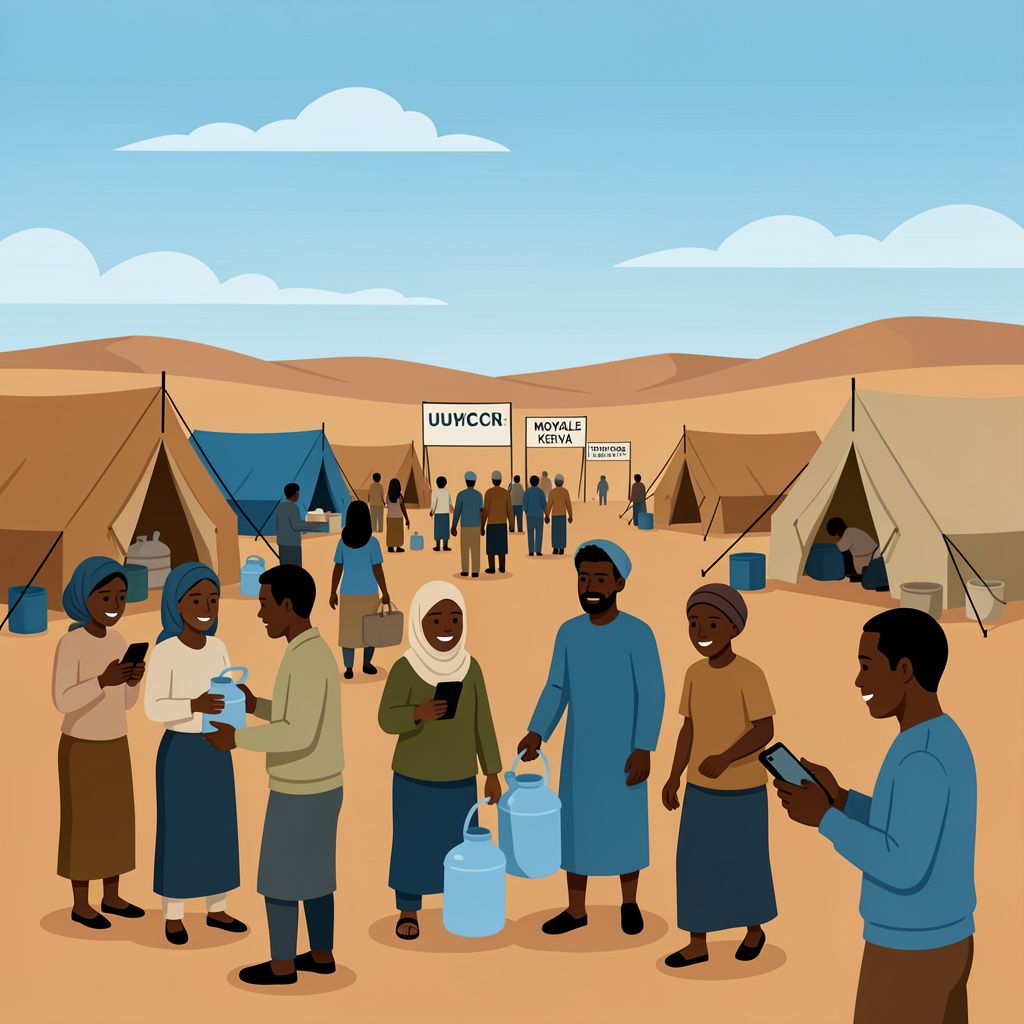
An influx of 50,000 Ethiopian asylum seekers into Moyale has overwhelmed local infrastructure, leaving over 70 per cent of arriving households without adequate food and clean drinking water.
Humanitarian Deficits and Critical Needs at Moyale
The humanitarian footprint in northern Kenya expanded dramatically following the arrival of approximately 50,000 asylum seekers in Moyale by 29 October 2026 [2]. According to the Famine Early Warning Systems Network (FEWS NET), displacement cross-border movements escalated sharply from 18 October 2026 onwards [2]. An assessment conducted on 29 and 30 October 2026 by the Kenyan Government, Marsabit County authorities, and the International Organization for Migration (IOM) examined 758 households, revealing that 71 per cent lacked adequate nutrition, whilst 80 per cent identified food as their most critical emergency priority [2]. Nomagugu Ncube, IOM’s Chief of Mission in Kenya, warned that host communities are straining under limited local capacity as newly arrived families lack sufficient food, potable water, and shelter [2].
Root Causes and Escalating Regional Pressure
The mass displacement originates from cross-border violence between Ethiopia’s Oromia and Somali regions, ignited by administrative territory disputes and exacerbated by the reported killing of a 13-year-old girl in the Somali regional zone [5]. Prior to surpassing the 50,000 mark [2][7][8], registration levels escalated quickly from 36,000 recorded individuals [5], while Kenyan Prime Cabinet Secretary Musalia Mudavadi placed the figure above 40,000 during early official evaluations [7]. The Kenya Red Cross noted that many displaced persons, primarily women and children under five years of age [2][5], sought initial refuge across six camps and surrounding host villages [5]. Displaced arrivals have been forced into makeshift shelters or onto open streets in the rain, having left their personal assets behind [8].
Emergency Response and Northern Camp Infrastructure Under Strain
Relief agencies including Malteser International, alongside local partners PACIDA and Caritas Marsabit, initiated mobile healthcare deployments to screen for malnutrition among pregnant or lactating women and children under five [8]. The United Nations High Commissioner for Refugees (UNHCR) had warned on 28 October 2026 of surging shortfalls in water, sanitation, and healthcare [2], as 44 per cent of households faced potable water deficits and over half encountered barriers accessing medical treatment [2]. The broader humanitarian infrastructure across northern Kenya is facing concurrent pressure; further west, Kakuma refugee camp—which houses over 200,000 refugees [3]—suffered a major fire on Friday, 6 November 2026, in Kakuma III, Zone 1 [3]. That blaze destroyed roughly 30 commercial stalls alongside residences across Blocks 14 and 15, inflicting losses exceeding 20.000 million Kenyan shillings and compounding logistical challenges across reception operations [3].
Bronnen
- www.instagram.com
- news.un.org
- www.sosmediasburundi.org
- www.youtube.com
- www.trtafrika.com
- www.kenyamoja.com
- www.facebook.com
- www.instagram.com