

US Military Strikes in Somalia Leave Civilians Dead as Counter-Terrorism Operations Intensify
Mogadishu, 13 March 2026
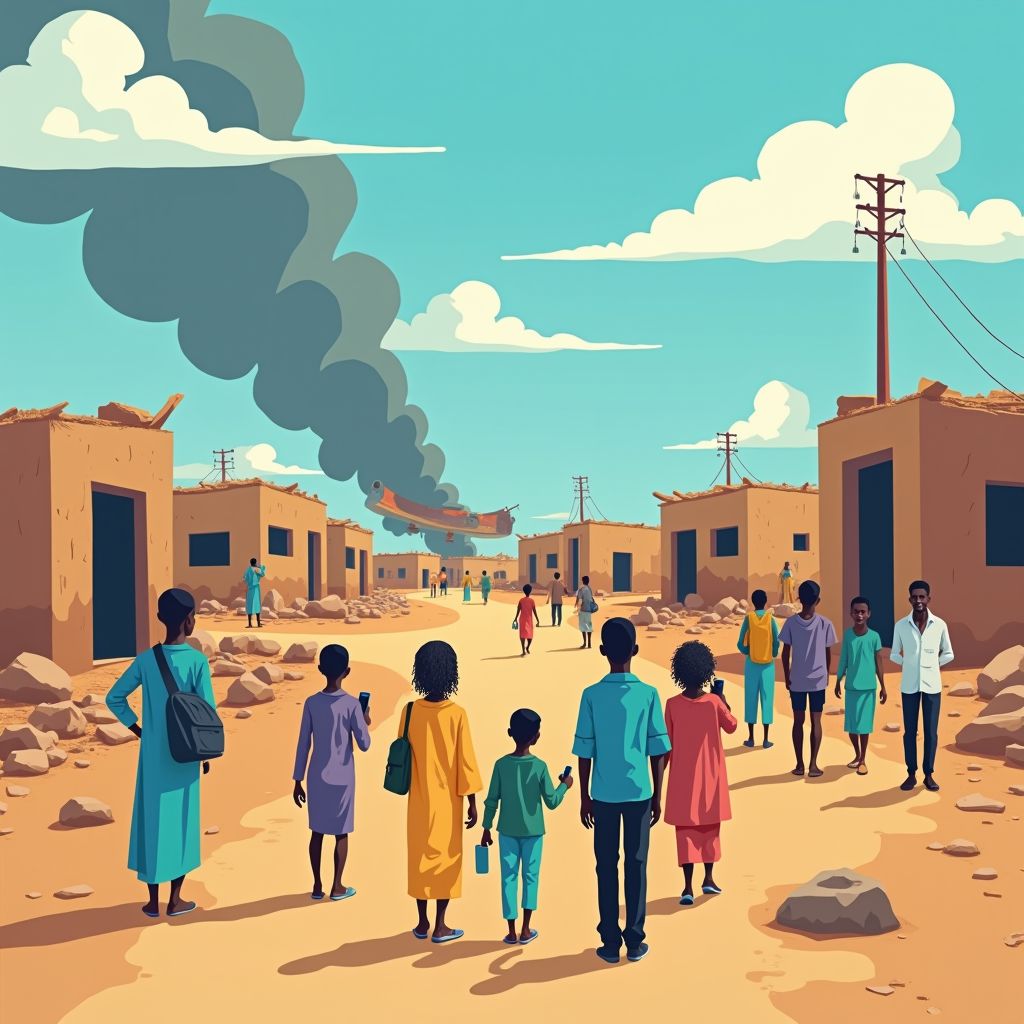
American airstrikes targeting al-Shabaab militants have surged under the Trump administration, but Somali civilians are paying the ultimate price. Local human rights organisations report mounting casualties amongst innocent populations caught between US forces and extremist groups. While Somali officials credit American military support with dismantling key militant infrastructure, the human cost continues to escalate. Rights groups are demanding greater transparency and accountability for errant strikes that have shattered communities across the Horn of Africa, highlighting the complex challenge of conducting counter-terrorism operations without harming the very people they aim to protect.
Escalating Military Operations Under Current Administration
The intensity of US military operations in Somalia has markedly increased under the Trump administration, with airstrikes being conducted alongside Somali government forces in operations against extremist groups such as al-Shabaab [1]. These operations, documented as recently as 12 March 2026, represent part of a broader counter-terrorism strategy that has seen American forces maintain an active presence in the Horn of Africa region [1]. The strikes are coordinated with local Somali forces as part of ongoing efforts to degrade militant capabilities and infrastructure across the country.
Civilian Impact and Government Response
While Somali officials have praised US support, crediting American military assistance with helping to destroy key militant infrastructure, the human cost of these operations continues to mount [1]. Local journalist Mohamed Gabobe has documented cases of Somalis who report being caught in these attacks, highlighting the persistent challenge of distinguishing between combatants and civilians in active conflict zones [1]. The dual narrative of military success and civilian harm underscores the complex dynamics at play in Somalia’s protracted conflict with extremist groups, which has persisted for years [1].
Calls for Transparency and Accountability
Human rights organisations operating in Somalia are intensifying their calls for greater transparency in military operations, arguing that increased openness is essential to restore trust and ensure accountability for mistaken strikes [1]. These groups contend that without proper oversight and clear reporting mechanisms, civilian casualties will continue to erode public confidence in counter-terrorism efforts. The demand for transparency comes as local communities struggle to understand the targeting criteria and assessment processes used in determining legitimate military objectives versus civilian areas.
Regional Security Implications
The situation in Somalia reflects broader regional security challenges affecting East Africa, where military interventions continue to impact local populations across the Horn of Africa [GPT]. The ongoing operations highlight the delicate balance between pursuing legitimate security objectives and protecting civilian populations caught between military forces and militant activities. As these counter-terrorism efforts persist, the international community faces mounting pressure to develop more precise targeting methods and robust civilian protection protocols that can minimise unintended casualties while maintaining operational effectiveness against extremist threats.