

Somali Woman Reports Prison Torture After Speaking Out Against Government
Mogadishu, 7 May 2026
A 27-year-old rickshaw driver reveals systematic abuse in Mogadishu Central Prison following her arrest for peaceful anti-government demonstrations on social media.
Arrest and Detention Timeline
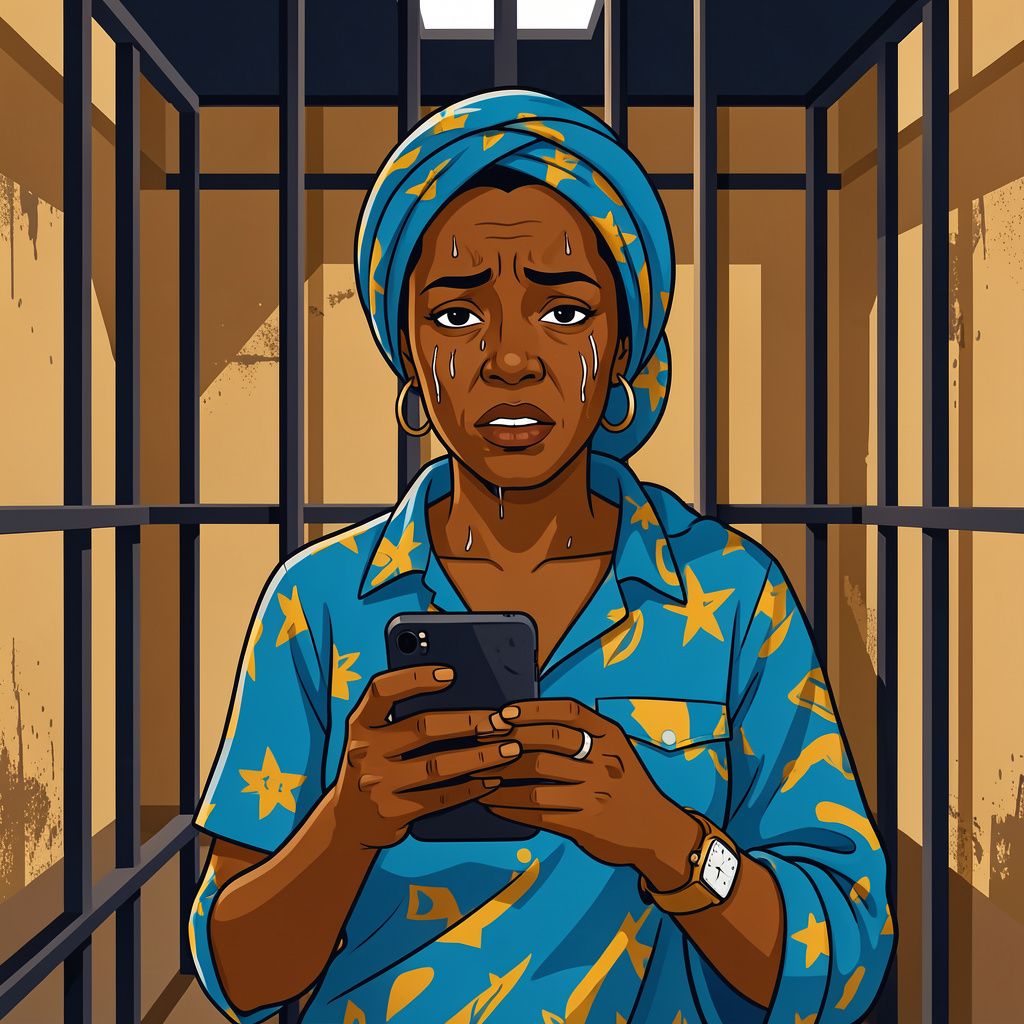
Sadia Moalim Ali, a nursing graduate who works as a rickshaw driver, was arrested on 12 April 2026 for anti-government activism expressed through Facebook and TikTok posts criticising the Somali federal government [1]. After two days at Hamar Jajab Police Station, she was transferred to Mogadishu Central Prison on 14 April, where she remains detained without formal charges or access to a lawyer [1][3]. The Banadir Regional Court granted police permission to hold Ali for 90 days pending investigation, though her family has not been informed of any specific charges against her [3].
Media Interview Triggers Punishment
On 20 April 2026, Ali participated in an interview with Shabelle Media, appealing for her freedom and stating she was being held without due legal process [1]. This media appearance proved costly, as Ali reported being punished immediately afterwards. ‘Before when I spoke to the media, I was punished the same day … Truly a lot of pain was inflicted on me,’ she told The Guardian in an exclusive prison interview [1][4]. The timing of the abuse directly correlates with her decision to speak publicly about her detention conditions.
Detailed Account of Torture
Ali described systematic torture following her media interview, including being stripped naked by two male guards in a room monitored by CCTV cameras [1][4]. ‘I was tortured. I was forced to lie face down on the ground, and water was poured on me. I was kicked by guards with boots on. They stood over me and beat me with a baton,’ she recounted [1][4]. The abuse continued with her placement in solitary confinement for two days in what is known as the ‘cellula della morte’ (cell of death), measuring approximately 2 square metres [1][4]. During this period, she was deprived of food and basic necessities and was not allowed to leave to use toilet facilities [1][4].
Current Conditions and Health Impact
Ali now shares a cell with 38 other women and reports suffering from kidney problems, numbness, and sleep issues as a result of her treatment [1][4]. The ‘cell of death’ where she was initially held contained engine oil, salt, faeces, and generated extreme heat with an overwhelming stench [1]. Human rights defender Dalmar Dhayow from the Coalition of Somali Human Rights Defenders stated that sexual assault and violence are systematically used to force false confessions and humiliate women in Somali prisons [1]. Opposition leader Abdirahman Abdishakur condemned the detention, arguing that Ali’s ‘only offence was speaking out against corruption and nepotism within government institutions’, which he described as ‘a fundamental civic right’ rather than a crime [4].
Growing International Pressure
Human rights organisations, former government officials, and Somali MPs are now calling for Ali’s immediate release [1][4]. Since 2022, Somali authorities have faced mounting accusations of human rights abuses, including arbitrary arrests and intimidation of critics [1]. The case has drawn attention to broader patterns of government repression against those who challenge official policies through peaceful means. As of 7 May 2026, Ali remains in Mogadishu Central Prison, with her 90-day detention period continuing to run whilst international pressure mounts for her release.