

Kenya's Refugee Work Permits Face Policy Review as Consortium Publishes Critical Analysis
Nairobi, 6 May 2026
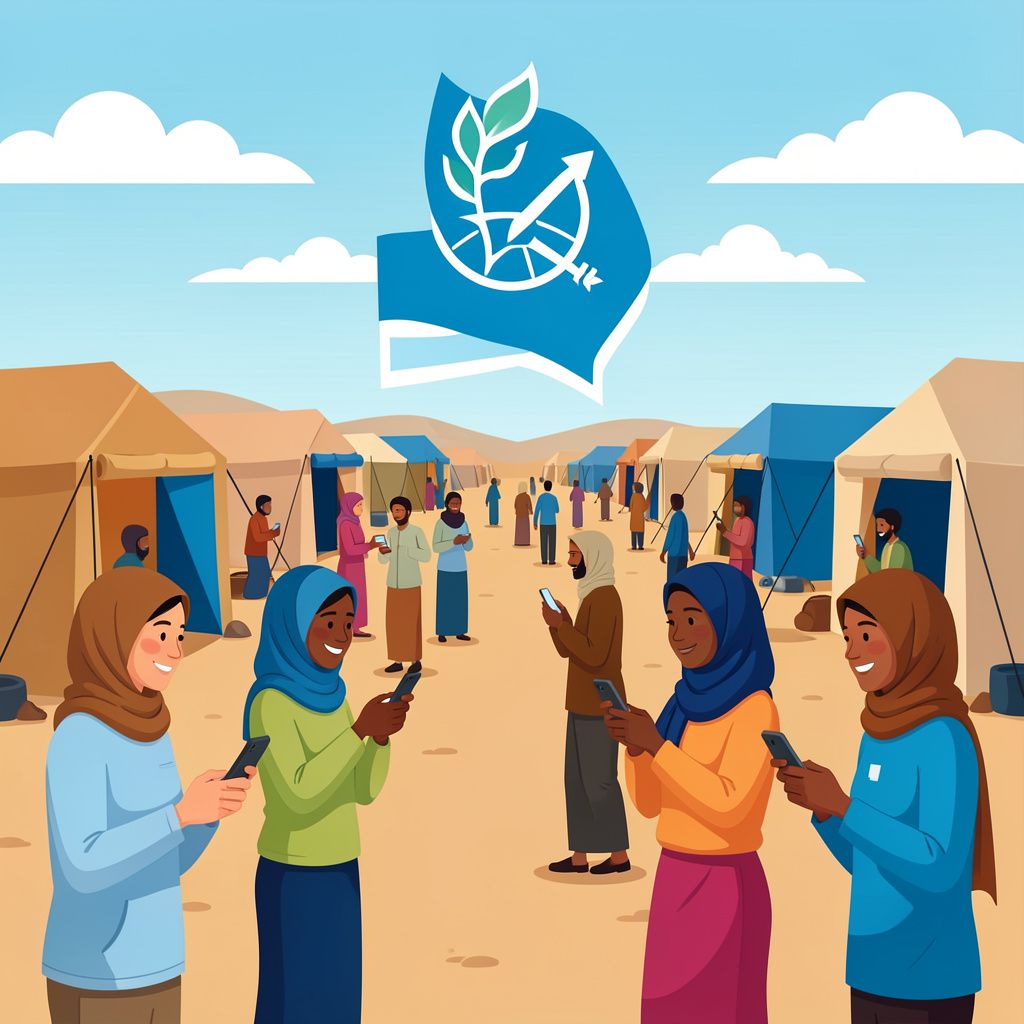
The Refugee Consortium of Kenya has released a comprehensive white paper examining work permit policies affecting thousands of refugees in camps like Kakuma and Kalobeyei. This detailed analysis addresses current employment restrictions and proposes policy reforms that could transform economic opportunities for displaced populations. The document arrives at a crucial time when refugees face significant barriers to formal employment, potentially offering pathways to economic independence and self-reliance within Kenya’s legal framework.
White Paper Publication Details
The Refugee Consortium of Kenya published the white paper on refugee work permits on 25 March 2026 [1]. This marks a significant milestone for the organisation, which has been advocating for refugee rights since its establishment in 1998 [1]. The timing of the publication coincides with ongoing discussions about refugee inclusion in Kenya’s labour markets, following the East African Forum on Access to Labour Markets for Refugees held on 1-2 December 2025 [1].
Current Employment Restrictions
Refugees in Kenya currently face substantial barriers to formal employment [GPT]. The legal framework governing refugee work permits has historically limited economic opportunities for displaced populations residing in camps such as Kakuma and Kalobeyei [GPT]. These restrictions have created dependencies on humanitarian assistance whilst preventing refugees from achieving economic self-reliance [GPT]. The white paper is expected to provide detailed analysis of these existing policies and their impact on refugee communities [alert! ‘specific details of white paper content not available in sources’].
Institutional Capacity Development Initiatives
The Refugee Consortium of Kenya has been actively working to strengthen institutional capacity through various programmes. In February 2025, the organisation launched the Institutional Capacity Development Project for the Inclusive Refugee Response Program (IRRP) in Turkana County [1]. This initiative demonstrates RCK’s commitment to building sustainable solutions for refugee integration and economic participation within host communities [1]. The organisation continues to provide asylum support and legal aid representation as part of its core mission to protect refugee rights [1].
Policy Reform Implications
The white paper’s recommendations could significantly influence Kenya’s approach to refugee employment policies [alert! ‘specific recommendations not detailed in available sources’]. With Kenya hosting substantial refugee populations, policy reforms could create legal pathways for economic participation while reducing reliance on humanitarian aid [GPT]. The document builds upon previous advocacy efforts, including RCK’s 2024 annual report released in May 2025, which highlighted ongoing challenges and achievements in refugee protection [1]. Implementation of proposed reforms would require coordination between government agencies, humanitarian organisations, and private sector stakeholders to ensure effective policy execution [GPT].