

Aid Cuts Force Kakuma Refugees to Risk Deadly Mediterranean Crossing
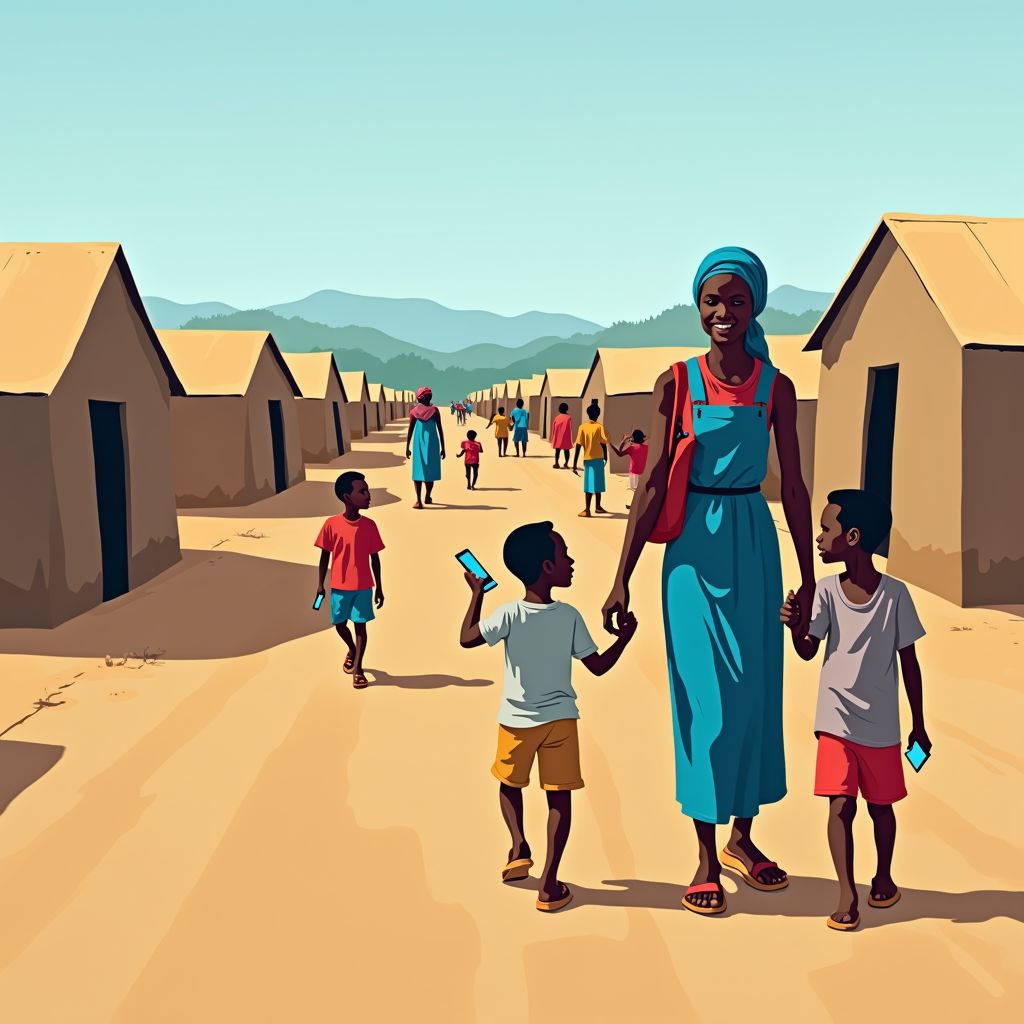
Kakuma, 13 March 2026
Deng, a South Sudanese refugee who has spent 20 years in Kenya’s Kakuma camp, now plans a perilous journey to Europe after aid cuts eliminated food assistance for one-third of the camp’s 300,000 residents. The World Food Programme’s new categorisation system leaves even vulnerable families like Deng’s—supporting seven dependents on mechanic wages—without basic food aid, driving desperate refugees towards dangerous Mediterranean crossings as their only hope for survival.
From Child Refugee to Sole Provider
Deng’s story begins over two decades ago when his family fled conflict in South Sudan whilst he was only five years old [1]. Now a trained mechanic working long days repairing vehicles in Kakuma refugee camp, he has become the sole financial support for seven family members following his mother’s death in 2023 [1]. His responsibilities include caring for his four siblings—the youngest just three years old—alongside providing for his wife and young child [1]. Despite his skilled trade, Deng struggles to earn enough money to meet the basic needs of his extended family, highlighting the economic challenges faced by long-term camp residents who have built lives and careers within the confines of refugee settlements [1].
WFP’s Controversial Categorisation System
The World Food Programme has implemented a ‘differentiated assistance’ system that divides Kakuma’s approximately 300,000 refugees into four categories based on perceived vulnerability [1]. Under this new framework, Category 1 households—deemed most in need—receive only 40% of a full food ration, whilst Category 2 families get 20% [1]. Categories 3 and 4, assessed as having alternative means of support, receive no food aid whatsoever, though they may qualify for limited livelihood assistance if resources permit [1]. These funding-driven changes have eliminated food assistance for a third of Kakuma’s refugee population, even as years of previous ration cuts had already left most families struggling to meet basic nutritional requirements [1]. WFP officials cite funding shortfalls as the driving force behind these difficult decisions, illustrating the broader crisis facing humanitarian organisations globally [5].
The Harsh Reality of Category 3 Assessment
Despite his mechanic’s income, Deng has been placed in Category 3, cutting off all food assistance for his family [1]. He argues this assessment fundamentally misunderstands his reality: whilst he has employment, his low income barely covers the rising costs of food, medical care, and school expenses for his siblings [1]. The categorisation system appears to overlook the complex economic pressures facing skilled workers in camp settings, where employment opportunities remain limited and wages insufficient for large family units [1]. This bureaucratic approach to aid distribution has created a paradox whereby refugees with some income—however meager—are penalised and left without crucial food support, forcing them into impossible choices between survival and family responsibility [1].
Europe as the Only Escape Route
Faced with mounting financial pressure and inspired by friends who have already undertaken the journey, Deng now plans to take the perilous route through North Africa toward Europe in search of employment opportunities [1]. His decision reflects a growing trend among young Kakuma residents who see irregular migration as their only pathway to economic stability and family security [1][2]. The dangerous Mediterranean crossing represents a calculated risk for refugees who have exhausted formal resettlement channels and face deteriorating conditions in protracted camp situations [1]. Deng’s story exemplifies the desperate choices confronting refugees when international protection systems fail to provide adequate long-term solutions, pushing vulnerable individuals toward life-threatening journeys as their final hope for a better future [1].