

Kenya's Second-Largest County Launches Climate Resilience Partnership for Pastoralist Communities
Lodwar, 11 March 2026
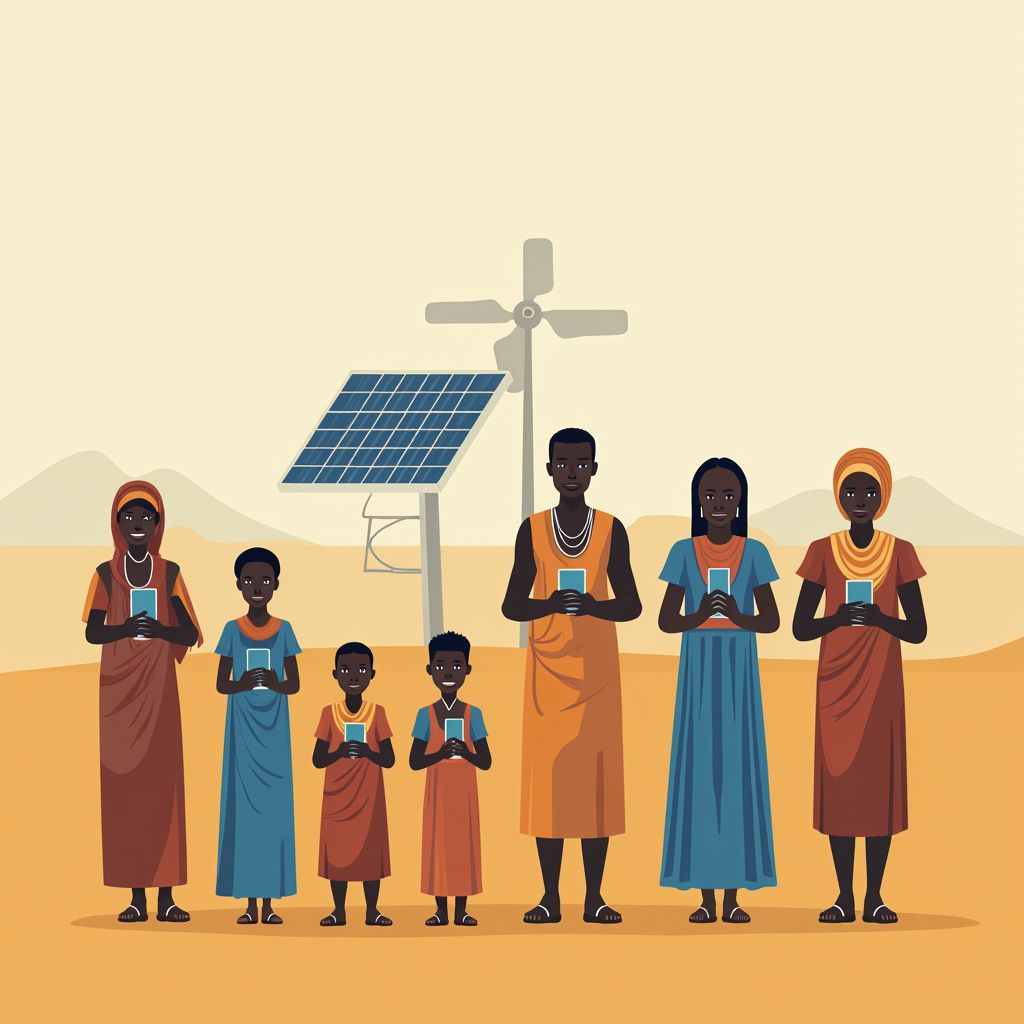
Turkana County has partnered with the Pastoralists Adaptive Initiative for Resilience to address climate challenges across 77,000 square kilometres of arid land. The collaboration includes a solar-powered milling enterprise already supporting 250 farming households and 271 school children in the Natoot community, reducing travel costs and distances for essential services.
Strategic Partnership Addresses Climate Vulnerability
The partnership announcement came on 10 March 2026, when Deputy Governor Dr John Erus formally welcomed the Pastoralists Adaptive Initiative for Resilience (PAIR) to Turkana County [1]. This collaboration represents a significant step toward addressing the unique challenges facing Kenya’s northwestern-most county, where pastoralism serves as the primary livelihood across vast stretches of arid and semi-arid terrain [1]. The initiative specifically targets climate adaptation, natural resource management, economic empowerment, peacebuilding, and social cohesion through research, learning, and innovation [1]. Deputy Governor Erus emphasised the value of partners who recognise the importance of working directly with communities and utilising local knowledge to address development challenges [1].
Immediate Impact Through Solar Technology
The partnership has already delivered tangible results through the installation of a solar-powered milling enterprise in the Natoot community, which supports 250 farming households and 271 school-going children [1]. This intervention directly addresses a critical infrastructure gap by reducing both the distance and costs that community members previously faced when travelling to town for milling services [1]. The project demonstrates PAIR’s commitment to locally-driven solutions that enhance food security whilst building climate resilience among pastoralist communities [1]. Peter Eregae, Chief Officer for Livestock Development, highlighted on 10 March 2026 the significant impact this initiative will have on food production and pastoral livelihoods [1].
Collaborative Framework for Development
The county government’s approach emphasises collaboration between local authorities and development actors, as underscored by Janerose Tioko, Chief Officer for Resource Mobilisation, Partnerships and Donor Coordination, during the 10 March 2026 announcement [1]. This partnership model aligns with broader county strategies, including the concurrent development of the Turkana County Social and Behavioural Change Communication Strategy (2026-2030), which was being reviewed in a three-day workshop on 11 March 2026 in collaboration with Amref Health Africa [2]. The SBCC strategy incorporates ten Nurturing Care for early childhood development interventions, focusing on strengthening community behaviours that support maternal, newborn, and child health [2].
Long-term Vision for Pastoral Resilience
PAIR co-founder Kelvin Shingles expressed the organisation’s commitment to working closely with Turkana County Government to strengthen pastoral resilience, expand economic opportunities, and build climate-stable systems for communities [1]. The partnership’s integrated approach addresses the interconnected challenges of climate variability and food insecurity that particularly affect pastoralist communities in this region [1]. Deputy Governor Erus also encouraged Turkana residents to support local food production by purchasing fresh vegetables and fruits from Natoot Farm, demonstrating the county’s commitment to strengthening local food systems [1]. The collaboration represents a model for how development partnerships can leverage local knowledge whilst delivering practical solutions that address both immediate needs and long-term sustainability challenges [1].