

Kenya Ends State Power Monopoly as New Rules Allow Direct Electricity Sales
Nairobi, 13 May 2026
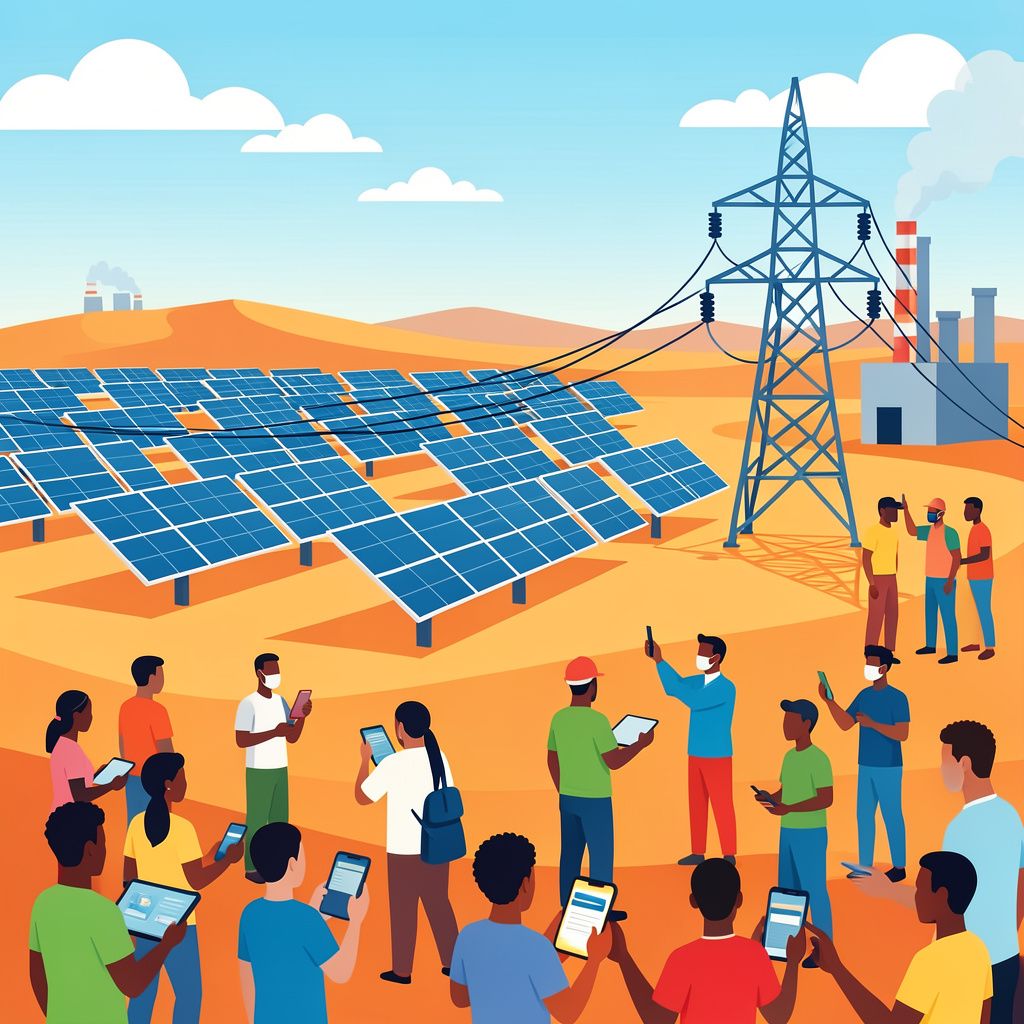
Kenya’s government has dismantled Kenya Power’s decades-long monopoly on bulk electricity supply through new regulations gazetted on 8 May 2026. Large consumers using at least 1 MVA can now purchase electricity directly from independent producers via ‘wheeling’ agreements, bypassing the state utility entirely. This represents a fundamental shift in Kenya’s energy sector, potentially reducing costs for industries and businesses that currently buy 70% of Kenya Power’s electricity sales.
How the New System Works
The Energy (Electricity Market, Bulk Supply, and Open Access) Regulations of 2026 introduce a ‘wheeling’ mechanism that fundamentally alters Kenya’s electricity distribution [1]. Under this system, power producers without existing power purchase agreements with Kenya Power can utilise Kenya Power’s and KETRACO’s infrastructure for a fee to deliver electricity directly to large consumers [1]. The regulations specifically target consumers drawing at least 1 MVA from the distribution network or 10 MVA from the transmission network [1]. The Energy and Petroleum Regulatory Authority (EPRA) will oversee pricing approval for these direct sales, with contracts permitted to run between one and ten years [1].
Market Impact and Revenue Implications
The scale of potential market disruption becomes clear when examining current consumption patterns. Industries, factories, and businesses purchased 7,313 GWh of electricity in the year ending June 2025, representing 69.186 of Kenya Power’s total 10,570 GWh sales [1]. This substantial industrial base has long struggled with blackouts, unstable supply, and high bills, prompting many large consumers to install backup solar or biomass systems as of September 2025 [1]. The World Bank has cautioned that Kenya Power’s potential revenue loss from this reform could eliminate funds currently used to subsidise domestic tariffs, potentially raising household electricity prices [1].
Long-Standing Reform Pressure
The regulatory change represents the culmination of years of advocacy from key industry players. KenGen, which supplies 59% of Kenya Power’s electricity, has championed this reform for years and communicated direct sales as a strategic priority to investors in February 2026 [1]. The timing of this announcement, coming just three months before the regulations were gazetted, suggests accelerating momentum within the energy sector. Kenya Power maintains long-term wholesale contracts with major producers including KenGen, Lake Turkana Wind, and OrPower4, arrangements that will now face competitive pressure [1].
Implications for Regional Energy Access
Whilst the regulations primarily target large industrial consumers, the broader implications for energy access across Kenya could prove significant for both urban centres and remote regions. The competitive pressure introduced by direct sales may drive efficiency improvements and cost reductions throughout the electricity value chain [GPT]. For areas such as Turkana County, where reliable electricity access remains challenging, increased competition amongst suppliers could potentially accelerate infrastructure development and improve service reliability for both host communities and displaced populations in settlements like Kakuma and Kalobeyei camps [GPT]. However, the World Bank’s warning about potential household tariff increases suggests that the benefits may not be immediately felt by domestic consumers, particularly in rural areas where grid connectivity remains limited [1].