

Kenya's Refugee Consortium Publishes Step-by-Step Guide for Survivors Reporting Gender-Based Violence
Nairobi, 8 June 2026
Refugees and asylum seekers in Kenya now have a clear roadmap of what happens after reporting gender-based violence, thanks to a new guide from the Refugee Consortium of Kenya.
A Guide Built for Refugees, Written in Plain Language
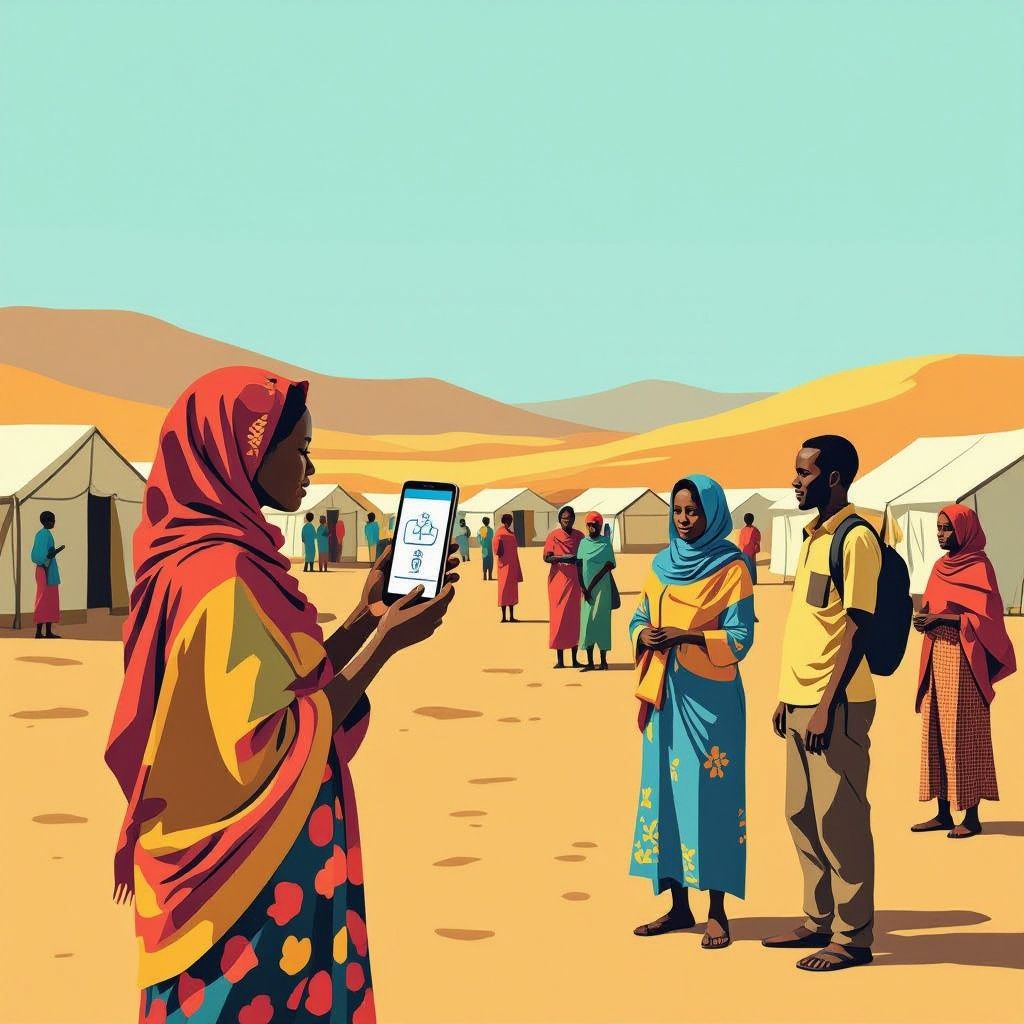
The Refugee Consortium of Kenya (RCK) has published a practical, step-by-step resource titled ‘What Next After Reporting GBV?’ — available in English and designed specifically for refugees and asylum seekers navigating the aftermath of a gender-based violence (GBV) disclosure [1]. The guide is aimed at people living in refugee settings across Kenya, including those in Kakuma and Kalobeyei, two of the country’s most significant refugee-hosting areas [1]. Written in accessible language, it is intended to reduce fear and confusion — two of the most common barriers that prevent survivors from seeking help after an incident of GBV [1][GPT].
Who Can Use This Guide and How to Access It
The guide is available to any refugee or asylum seeker in Kenya who has experienced gender-based violence and has made, or is considering making, a formal report [1]. There is no stated deadline for accessing the resource, and no registration is required to read it [alert! ‘The source page does not specify eligibility restrictions beyond being a refugee or asylum seeker in Kenya’]. It can be accessed directly and free of charge on the RCK website at rckkenya.org, under the resources section [1]. Survivors, community members, caseworkers, and protection officers can all benefit from reading the guide, as it maps out the institutional process that follows a GBV report in clear, sequential terms [1].
What Happens After You Report: The Referral Pathway Explained
Once a survivor makes a formal report, the RCK guide outlines a structured referral pathway that connects individuals to several key forms of support [1]. These include legal aid, medical care, psychosocial support, and ongoing case follow-up with the relevant agencies [1]. Each of these services responds to a different dimension of the harm caused by GBV — legal aid helps survivors understand their rights and pursue accountability; medical care addresses immediate physical health needs; and psychosocial support provides emotional and mental health assistance during what is often an extremely difficult period [1][GPT]. Case follow-up ensures that survivors are not left without support after the initial report is made [1].
RCK’s Broader Commitment to Refugee Protection in Kenya
The publication of this GBV guide is consistent with RCK’s wider mandate to support refugee communities through legal, institutional, and policy mechanisms [1]. RCK has also recently been active at the county governance level: the organisation partnered with the County Assembly of Turkana, VNG International, the Regional Durable Solutions Secretariat (ReDSS), and Inkomoko to develop and launch the Assembly’s amended Standing Orders and Strategic Plan [1]. Crucially, those amendments formally expanded the mandate of the Assembly’s Committee on Justice, Human Rights and Legal Affairs — now renamed the Committee on Justice, Human Rights, Legal and Refugee Affairs — to include refugee affairs within the county’s legislative framework [1]. This signals a broader structural shift towards integrating refugee protection into formal governance systems in Kenya.
Why This Matters: GBV in Refugee Settings
Gender-based violence remains one of the most serious protection concerns in refugee settings globally, and Kenya is no exception [GPT]. Women and girls are disproportionately affected, often facing heightened risks due to overcrowding, limited lighting, inadequate sanitation facilities, and reduced access to legal recourse [GPT]. One of the most significant obstacles to addressing GBV in refugee contexts is underreporting — driven by fear of stigma, lack of trust in authorities, uncertainty about what will happen after a report is made, and concerns about confidentiality [GPT]. By clearly explaining what survivors can expect at each stage of the process, RCK’s guide directly addresses that uncertainty, making it easier for individuals to take the step of coming forward [1].
Support Networks and Partner Agencies Involved
RCK does not operate in isolation. The organisation works alongside a network of international and national partners whose roles are relevant to the GBV referral ecosystem in Kenya [1]. These partners include UNHCR, UNICEF, the Jesuit Refugee Service (JRS), the UN Resident Coordinator’s Office, the Embassy of the Kingdom of the Netherlands, and DANIDA — the Ministry of Foreign Affairs of Denmark — which funds the ongoing Inclusive Refugee Response Programme (IRRP) [1]. The IRRP, implemented by RCK and partners alongside the National Government and Turkana County Government, supports access to basic social services, self-reliance, and peaceful coexistence for both refugee and host communities [1]. Survivors accessing GBV support services may interact with several of these agencies as part of their referral pathway [alert! ‘The source does not specify which individual partner agencies handle which specific step in the GBV referral process’].
Taking Action: A Clear Message for Survivors
For any refugee or asylum seeker in Kenya who has experienced gender-based violence, the core message from RCK’s guide is straightforward: reporting is the first step, and support is available at every stage that follows [1]. Survivors are entitled to protection, legal assistance, medical attention, and ongoing case follow-up under both Kenyan law and international refugee law [1][GPT]. The guide can be accessed now, at no cost, via the RCK website at rckkenya.org [1]. For those in Kakuma or Kalobeyei specifically, local RCK offices and partner agencies are part of the referral network described in the guide [1][alert! ‘The source does not list specific physical office addresses or contact numbers for local RCK offices in Kakuma or Kalobeyei’]. Knowing the process in advance can make a significant difference — not only in encouraging survivors to report, but in ensuring they stay engaged with the support systems that are there to help them.