

Canada Opens New Immigration Route for Skilled Refugees Through Economic Mobility Programme
Nairobi, 9 May 2026
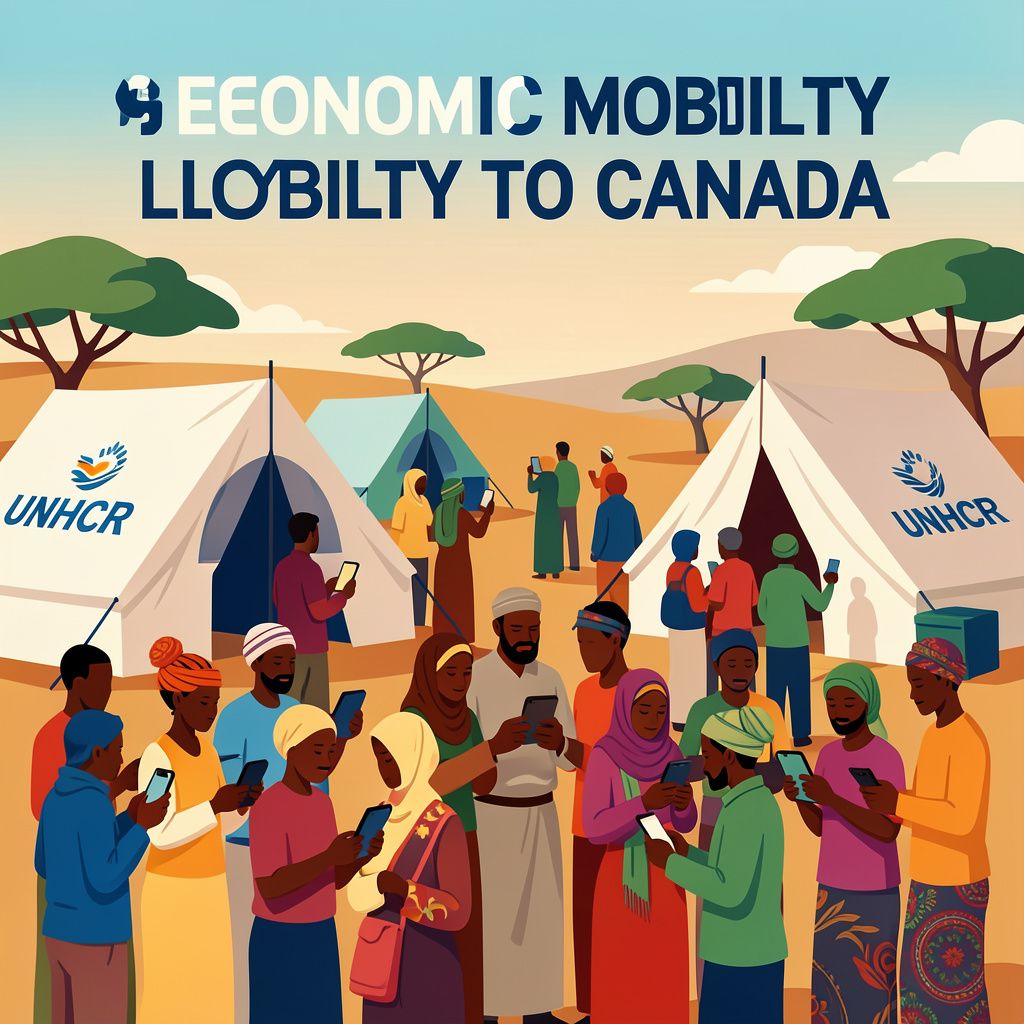
The UN refugee agency has launched applications for a groundbreaking pilot that merges traditional refugee resettlement with economic immigration to Canada. Skilled refugees in Kenya can now apply through existing economic programmes, creating a direct pathway to permanent residence whilst addressing Canadian labour shortages. The initiative requires applicants to be recognised refugees aged 21-55 with high school education and one year of paid work experience in their field.
Application Process and Eligibility Requirements
The Economic Mobility Pathways Pilot (EMPP) establishes clear eligibility criteria for refugee applicants seeking Canadian immigration [1]. Applicants must be recognised refugees in Kenya, aged between 21 and 55 years, with completed high school education and at least one year of paid work experience in their chosen field [1]. All applications must be submitted through a dedicated Google Forms portal provided by UNHCR Kenya [1]. The programme represents a significant departure from traditional refugee resettlement by combining humanitarian protection with economic immigration pathways.
Provincial Integration and Enhanced Immigration Prospects
The EMPP connects directly with Canada’s Provincial Nominee Programs, particularly through Alberta’s Rural Renewal Stream, which specifically supports EMPP refugee candidates [2]. This integration provides substantial advantages, as successful nomination through Express Entry-aligned provincial streams adds 600 Comprehensive Ranking System points to candidates’ profiles [2]. The programme addresses labour market gaps whilst offering refugees a structured pathway beyond traditional resettlement options. Multiple provinces, including British Columbia, have incorporated EMPP pathways for skilled refugees with job offers outside major metropolitan areas [2].
Current Refugee Crisis Context
The programme launch comes amid escalating humanitarian crises affecting skilled refugees across the region. Recent reports from early 2026 highlight increased deportation risks for Sudanese refugees in Egypt, with UN experts documenting thousands being returned to conflict zones through unofficial channels [3]. Professional refugees, including those with information technology qualifications and international work experience, face immediate threats despite holding valid UNHCR documentation [3]. This context underscores the critical importance of alternative immigration pathways like EMPP for skilled refugees seeking safety and economic opportunity.
Timeline and Next Steps for Applicants
Applications for the Economic Mobility Pathways Pilot opened in July 2025, with the programme continuing to accept submissions as of May 2026 [1]. Refugees meeting the minimum criteria can access detailed programme information through UNHCR Kenya’s comprehensive guidance document, available in English [1]. The pilot’s design allows Canadian employers to access qualified refugee candidates whilst providing skilled refugees with direct pathways to permanent residence through established economic immigration streams [1]. Processing timelines vary depending on provincial nomination requirements, with Express Entry-aligned applications typically resolving within six months after nomination [2].