

Kenya Launches Targeted Support Programme for Vulnerable Refugee Communities
Nairobi, 12 March 2026
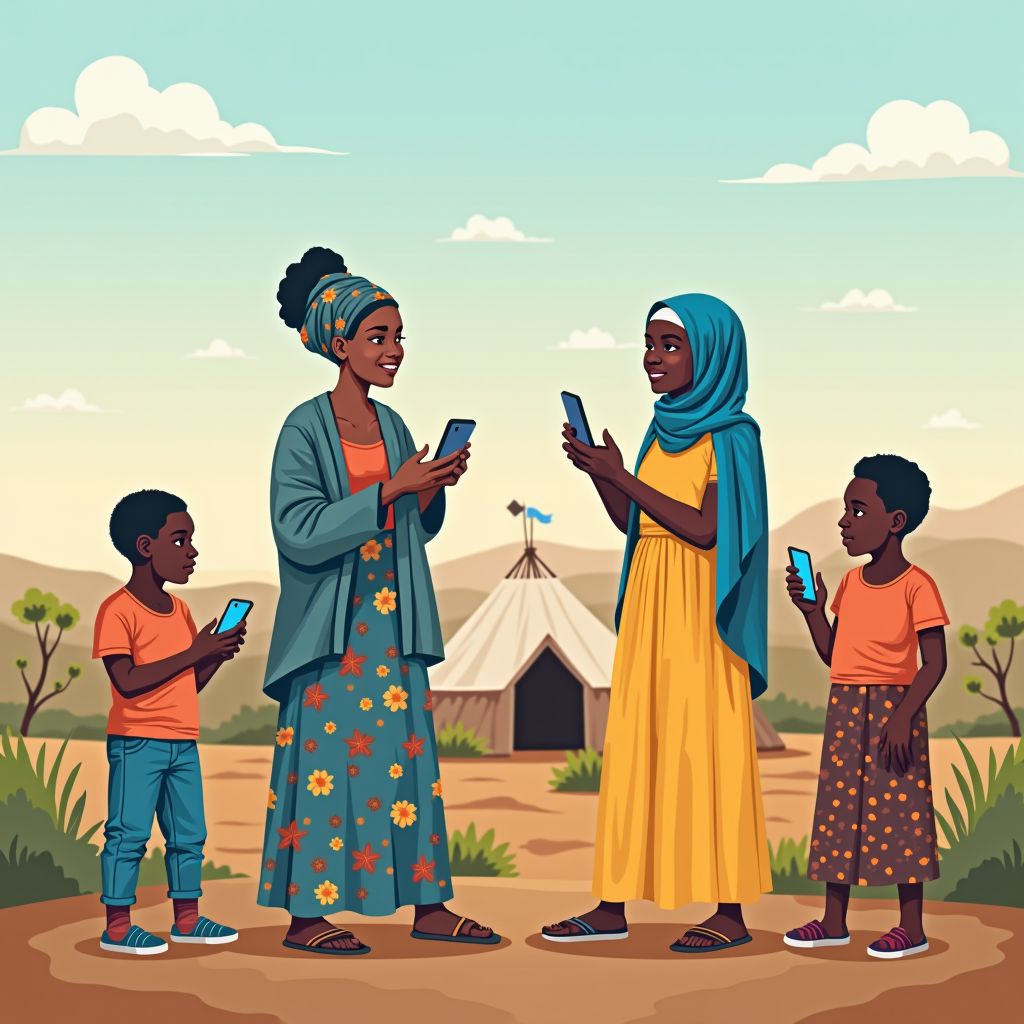
UNHCR Kenya has expanded specialised assistance for refugees facing additional vulnerabilities, including disabled individuals, elderly persons, and LGBTI community members. The programme operates through strategic partnerships with local organisations, offering psychosocial support, financial assistance, and protective services. Refugees can access help via the dedicated helpline *1517, which connects them to tailored support beyond standard humanitarian aid. This initiative addresses the heightened risks these groups face, including increased susceptibility to abuse and exploitation due to difficult living conditions that limit their access to essential services.
Partnership Network Delivers Comprehensive Services
The UNHCR Kenya programme operates through established partnerships with multiple specialised organisations across key urban centres. HIAS maintains four strategic offices providing direct support to refugees with disabilities and older persons, including locations in Mimosa on Mbaruk Road, Eastleigh on Juja Road Estate, Kayole at Nasra Garden Estate, and Kawangware off Naivasha Road [1]. These offices offer psychosocial support, counselling, financial assistance, and assistive devices on a case-by-case basis, ensuring targeted interventions meet individual needs [1]. The partnership model enables UNHCR to leverage local expertise whilst maintaining oversight of service delivery standards across diverse geographical areas where refugee populations are concentrated.
Cash Transfer Programme Supports Elderly Refugees
A dedicated initiative specifically targets refugees aged 70 years and over through the Urban Cash Transfer Programme for Older Persons. Elderly refugees currently living and registered in Nairobi or Mombasa can access this financial support by contacting the UNHCR helpline on 1517 or emailing the designated support address [1]. The programme recognises that older refugees face particular challenges in accessing employment and meeting basic needs, making direct cash assistance a crucial component of their support package. Recipients can also register caregivers or family members to provide additional support, acknowledging the interconnected nature of care within refugee communities [1]. This targeted approach reflects UNHCR’s understanding that age-specific vulnerabilities require tailored financial interventions beyond standard assistance programmes.
LGBTI Community Receives Specialised Protection Services
Three key organisations provide comprehensive support to LGBTI refugees, addressing their unique protection needs and rights advocacy. HOYMAS Kenya, a community-based organisation in Nairobi, offers human rights promotion, safe space access, healthcare services, and security training specifically for LGBTIQ+ individuals [1]. The National Gay and Lesbian Human Rights Commission operates as an independent institution focused on legal and policy reforms towards equality and full inclusion of sexual and gender minorities in Kenya [1]. The Gay and Lesbian Coalition of Kenya (GALCK+) serves as an umbrella organisation providing counselling, legal aid, education, advocacy campaigns, and lobbying for law reform and anti-discrimination policies [1]. These partnerships ensure LGBTI refugees receive both immediate support and longer-term advocacy for systemic change.
Regional Context Shapes Service Delivery
The Kenya programme operates within UNHCR’s Regional Bureau for Eastern and Southern Africa (RBESA), based in Nairobi, which covers 25 countries following restructuring in October 2025 [6]. This regional framework merged countries previously under separate bureaus, creating unified oversight for strategic decisions, regional priorities, and quality assurance [6]. The bureau provides technical support to country operations across multiple sectors including education, child protection, economic inclusion, and durable solutions [6]. Recent social media communications in March 2026 have emphasised differentiated assistance programmes, highlighting collaboration between WFP, UNHCR, and DRS to ensure refugees receive protection, food assistance, and essential services [2]. This integrated approach demonstrates how Kenya’s specific needs programming fits within broader regional humanitarian coordination mechanisms.