

UN Refugee Agency Opens Bidding for School Furniture in Kenya's Kakuma Municipality
Kakuma, 5 March 2026
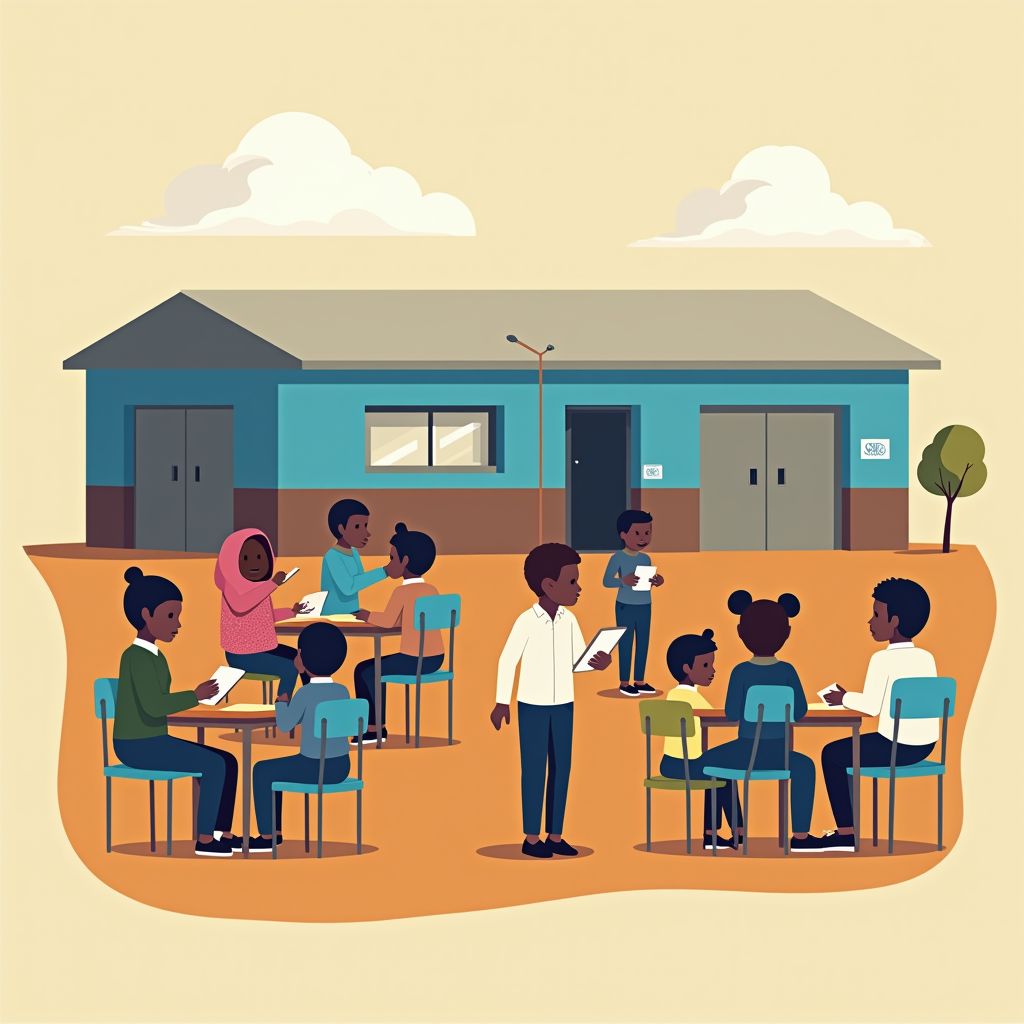
The United Nations High Commissioner for Refugees has launched a major procurement process to supply educational furniture and equipment across Kakuma Municipality, home to one of the world’s largest refugee camps. This infrastructure investment could transform learning conditions for thousands of refugee children and local students in northwestern Kenya. The tender, published on 4th March 2026, represents UNHCR’s strategic commitment to educational development in refugee-hosting communities, where access to quality learning environments remains critically limited.
Procurement Details and Application Process
The tender, designated as KEN-KAK-UNHCR ITB 2528, covers the supply of school furniture, equipment and fittings specifically for Kakuma Municipality through the UNHCR Kakuma Sub Office [1]. Published on 4th March 2026, this invitation to bid falls under the non-specialised goods and services sector, with particular focus on furniture and office supplies [1]. Suppliers interested in participating must follow the official application procedures outlined in the tender documents, with DevelopmentAid serving as an aggregation platform rather than a submission portal [1]. The procurement process requires bidders to apply directly to the contracting authority, as intermediary platforms do not submit tenders on behalf of applicants [1].
Eligibility and Documentation Requirements
The tender is typically open to consulting firms, non-governmental organisations, companies, and in some cases individual consultants, depending on the specific eligibility criteria established by UNHCR [1]. Prospective bidders must prepare comprehensive documentation packages that generally include a technical proposal, financial offer, company profile, references, and required legal documents [1]. The exact requirements for this particular tender are detailed within the official tender notice, which suppliers must review carefully to ensure compliance [1]. Each tender listing includes official documents and instructions explaining the application process and submission requirements [1].
Strategic Context of Educational Investment
This procurement initiative aligns with UNHCR’s broader commitment to digital and educational inclusion for displaced populations [2]. Recent recognition of UNHCR’s collaborative efforts came on 2nd March 2026, when the agency and the International Telecommunication Union received the Chairman’s Award at the Global Mobile Awards in Barcelona, Spain, for their ‘Connectivity for Refugees’ initiative [2]. The digital connectivity programme has reached over one million people across more than 15 countries by 2026, providing access to education, employment, and essential services [2]. This achievement underscores UNHCR’s multi-faceted approach to improving refugee welfare, combining physical infrastructure investments like school furniture with digital connectivity solutions.
Impact on Educational Infrastructure
The furniture procurement represents a tangible component of educational infrastructure development in refugee-hosting communities, where quality learning environments remain critically limited [GPT]. As UNHCR Deputy High Commissioner Kelly T. Clements noted in relation to the agency’s digital initiatives, communication and access to resources serve as ‘a way of life, not a luxury’, with connectivity potentially marking ‘the difference between dependence and self-reliance, between isolation and opportunity’ [2]. The ‘Connectivity for Refugees’ initiative aims to connect 20 million displaced people and host communities by 2030 through affordable and reliable internet services, demonstrating the scale of UNHCR’s educational and developmental ambitions [2]. The Kakuma furniture tender forms part of this comprehensive approach to creating sustainable learning environments that serve both refugee and local populations.