

Ethnic Violence in Borama Forces Oromo Residents to Flee to Airport
Borama, 2 November 2026
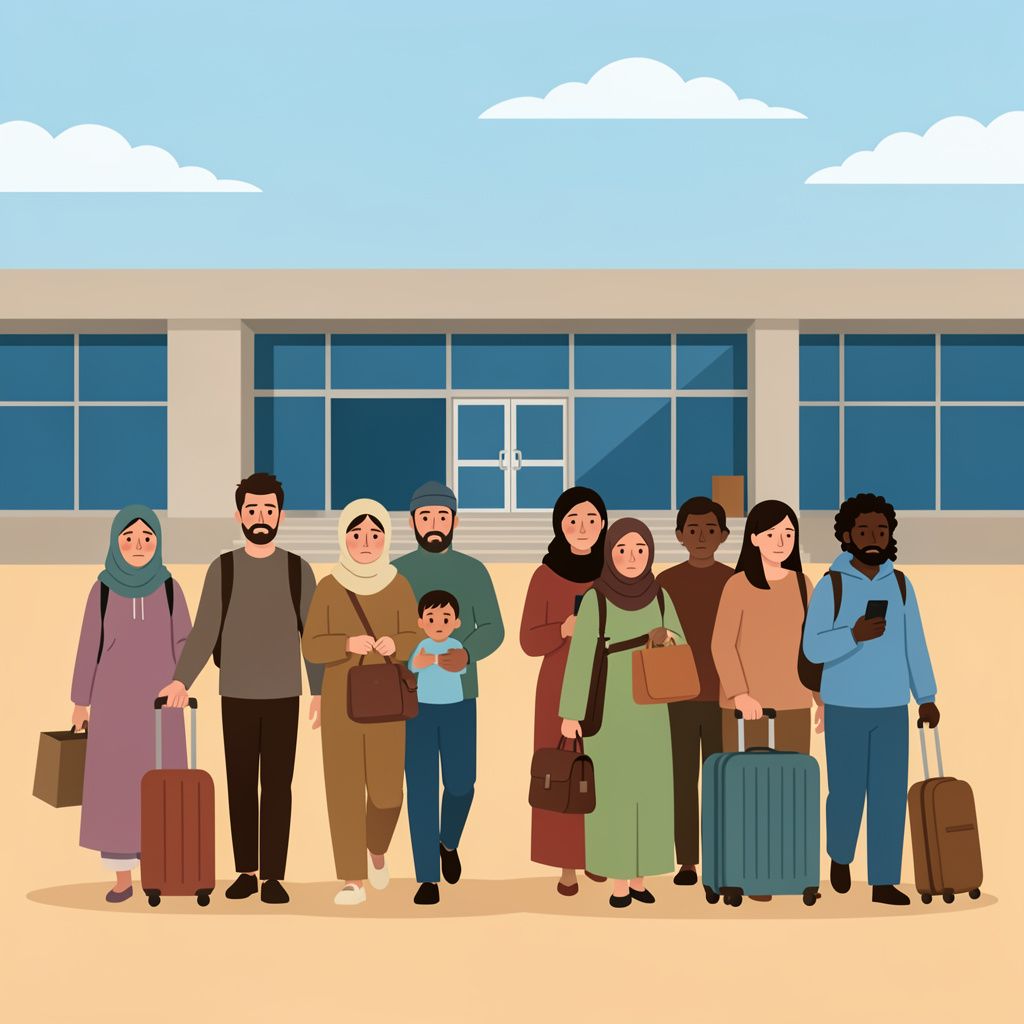
Over 150 Ethiopian Oromo homes were damaged in Borama following clashes near the Kenyan border, forcing displaced families to seek shelter at the local airport amid rising cross-border instability.
Cross-Border Tensions Spill Into Awdal Region
The eruption of civil unrest in Borama, situated in Somaliland’s western Awdal region, highlights the volatile interconnectedness of communal politics across the Horn of Africa [1]. Tensions originally escalated hundreds of kilometres away around the border hub of Moyale—a critical transit area dividing southern Ethiopia and northern Kenya—where longstanding territorial and administrative disputes between Somali and Oromo factions flared into armed hostilities [1]. By Friday, 30 October 2026, the spillover effect had reached urban centres in Somaliland, where displaced Oromo civilians found themselves targeted in sudden reprisal strikes [1]. Fearful of escalating hostility, scores of vulnerable residents immediately abandoned their neighbourhoods to seek emergency sanctuary at Borama airport and other fortified locations across the city [1].
Scale of Destruction and Law Enforcement Response
The situation deteriorated further between Saturday, 31 October, and Sunday, 1 November 2026, as roving groups of youths engaged in widespread property destruction across Borama [1]. Over the course of the weekend, more than 150 residential properties belonging to Ethiopian nationals and ethnic Oromo residents were systematically vandalised, looted, or set ablaze [1]. In response to the breakdown in public order, Somaliland security personnel initiated operations across the municipality to quell the unrest, apprehending several youths suspected of coordinating and executing the attacks [1][3]. Boqor Hassan Dahir Haddi, the regional governor of Awdal, stated that formal legal action would be pursued against the perpetrators, emphasising that mob violence directly contradicted the peaceful co-existence historically cultivated in the district [1].
Civic Leaders Denounce Vigilante Action
The anti-Oromo attacks prompted swift condemnation from political leaders and traditional authorities across Somaliland [1][2]. Somaliland Information Minister Barkhad Jama Batun issued a warning against vigilantism, stressing that private citizens possess no legal authority to take matters into their own hands and that lawlessness threatens the credibility of Somaliland’s institutional and democratic framework [1]. Similarly, the Mayor of Borama, Mohamud Sheikh Ibrahim, offered an apology for the weekend’s devastation, maintaining that the destructive acts were entirely unrepresentative of the city’s broader population [1]. In the legislature, House of Elders member Abdillahi Hashi Abdi insisted that external border disputes offer no legitimate excuse for intimidating civilians or destroying homes, while lawmaker Mohamed Abib criticised the regional administration for inadequate preventative security measures, asserting that local Oromo families must not be held liable for conflicts occurring elsewhere in Ethiopia [1].
Regional Implications for Refugees and Border Corridors
The destabilisation of urban refugee sanctuaries in Somaliland presents immediate logistical challenges for humanitarian corridors spanning the Horn of Africa and East Africa [1][GPT]. In north-western Kenya, where the vast Kakuma camp and Kalobeyei integrated settlement shelter substantial numbers of Ethiopian and Somali displaced persons alongside local Turkana host populations, renewed friction between Oromo and Somali groups raises significant safeguarding concerns [GPT]. Protracted insecurity along the Moyale border crossing disrupts regional transport, commerce, and formal voluntary repatriation routes, leaving both host communities and displaced populations vulnerable to commodity supply shocks and heightened inter-communal friction [1][GPT].
Bronnen
- www.hiiraan.com
- www.facebook.com
- www.facebook.com
- www.facebook.com
- www.facebook.com
- www.facebook.com
- www.facebook.com
- www.facebook.com